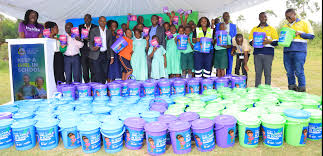
The East African Crude Oil Pipeline (EACOP) has launched a new initiative aimed at improving menstrual health and hygiene among schoolgirls in Tanzania, with the goal of helping them remain in school and continue their education.
The programme, titled “Help a Girl Stay in School,” was launched in Ntonge Ward in Singida Region. The initiative focuses on addressing challenges faced by many schoolgirls who miss classes due to lack of access to menstrual hygiene products and limited awareness about menstrual health.
During the launch, the Acting Chief Executive Officer of Singida District Council, Christopher Kidubo, welcomed the programme and emphasized the importance of supporting girls’ education.
He noted that many girls in rural communities struggle to attend school regularly during their menstrual periods because they lack proper sanitary materials and health information.
Supporting Girls’ Education
The programme aims to provide sanitary products, health education and awareness campaigns in schools. It also encourages open discussions about menstrual health to reduce stigma and misinformation that often affect girls’ confidence and participation in school activities.
Officials said improving menstrual hygiene management is essential to reduce school absenteeism among girls and ensure they complete their education.
Community and Stakeholder Involvement
The initiative involves collaboration between the EACOP project, local government leaders, schools and community members. Organisers say community participation is critical to ensure the programme reaches the girls who need it most.
By supporting menstrual health education and providing essential supplies, the programme seeks to create a more supportive learning environment for girls in affected communities.
Promoting Equal Opportunities
Advocates say the initiative is part of wider efforts to promote gender equality in education and empower girls to reach their full potential.
Education leaders believe that when girls are given the right support and resources, they are more likely to stay in school, perform better academically and contribute positively to their communities.
Through programmes such as “Help a Girl Stay in School,” stakeholders hope to reduce barriers that prevent girls from accessing education and ensure that menstrual health challenges no longer stand in the way of