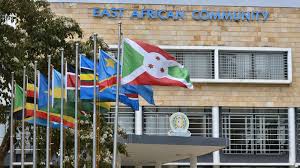
Trade within the East African Community (EAC) expanded significantly in the second quarter of 2025, rising by 40 percent year-on-year, driven by a sharp increase in exports and regional demand for manufactured and agricultural products.
According to data released by the EAC Secretariat, the bloc’s total trade value rose to $18.6 billion, up from $13.3 billion in the same period last year, marking one of the strongest quarterly performances since the pandemic.
Officials attribute the growth to enhanced infrastructure connectivity, harmonised customs procedures, and the removal of several non-tariff barriers that had previously hindered the movement of goods across member states.
“We are witnessing the tangible results of integration efforts, particularly in simplifying border procedures and improving regional transport corridors,” said Dr. Peter Mathuki, the EAC Secretary General. “The growth shows the EAC is becoming an increasingly competitive trade bloc.”
Exports from Tanzania, Kenya, and Uganda recorded the most significant gains, with industrial goods and processed foods leading the surge. Tanzania’s exports grew by 35 percent, buoyed by sales of cement, fertilizers, and manufactured textiles, while Uganda’s exports of coffee, maize, and sugar posted a 30 percent increase.
Kenya, meanwhile, benefited from strong demand for its tea, pharmaceuticals, and technology products in regional markets such as Rwanda, Burundi, and the Democratic Republic of Congo (DRC), which joined the EAC in 2022.
Analysts note that the inclusion of the DRC has expanded the region’s market by over 90 million consumers, providing a major boost for regional trade flows.
“The DRC has become a vital trading partner, especially for food, construction materials, and energy,” said Dr. Mercy Ngaruko, a regional economist based in Arusha. “Its entry into the EAC has deepened economic linkages and encouraged investment in transport corridors like the Central and Northern Corridors.”
Intra-EAC trade — that is, trade between member states — accounted for 16 percent of the region’s total commerce, up from 11 percent in 2024. While still below the African Continental Free Trade Area (AfCFTA) target of 25 percent, officials say the progress is encouraging.
“This is evidence that regional value chains are strengthening,” said Dr. Ngaruko. “If the current reforms continue, East Africa could soon rival other regional blocs in Africa in terms of trade integration.”
The EAC Secretariat projects continued growth in the coming quarters, supported by digital customs systems, ongoing railway modernization, and the expansion of special economic zones (SEZs) aimed at boosting exports.
However, challenges remain. Rising fuel prices, insecurity in parts of eastern DRC, and bureaucratic delays at select border posts could slow momentum if not addressed.
“To sustain this progress, we must ensure that trade facilitation remains at the center of EAC policy,” Dr. Mathuki emphasized.
The EAC currently comprises Tanzania, Kenya, Uganda, Rwanda, Burundi, South Sudan, and the Democratic Republic
of Congo, with Somalia expected to join formally later this year.