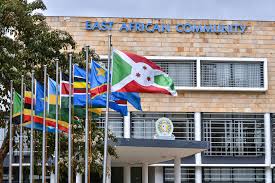
The East African Community (EAC) is facing a serious financial crisis as several member countries fail to pay their required contributions. This has created a major cash shortage that is now affecting the daily operations of the regional bloc.
The EAC, which is headquartered in Arusha, depends on financial contributions from its member states to run its programs and institutions. These funds are used to support regional integration, trade development, infrastructure projects, and the work of the East African Legislative Assembly (EALA).
However, delays and defaults in payments have left the organization struggling to meet its financial obligations. Members of the East African Legislative Assembly have reportedly gone unpaid for months due to the shortage of funds. This has disrupted parliamentary sessions and slowed down decision-making processes that are important for the region.
According to regional officials, the liquidity crisis has worsened over time as some countries continue to delay payments without clear timelines for settling their arrears. The situation has raised concerns about the future of key EAC projects and programs that depend on stable funding.
Observers say that if the issue is not resolved soon, it could weaken cooperation among member states and slow down progress toward regional goals such as economic integration and the free movement of goods and people.
Leaders within the bloc have called on member countries to honor their financial commitments to avoid further disruption. There are also discussions about finding alternative funding sources and improving financial management systems within the Community.
The crisis serves as a reminder that regional cooperation depends not only on shared vision but also on financial discipline and responsibility. Without timely contributions from all member states, the EAC risks slowing down its mission to strengthen unity and development in East Africa.