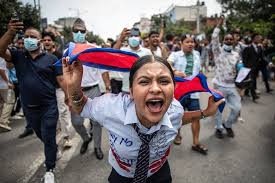
Far from the battlefields of Eastern Europe, in towns and cities across Africa, a quiet crisis is unfolding.
Young African men — many unemployed, frustrated, and searching for opportunity — are being drawn into the ongoing war between Russia and Ukraine.
For some, the promise is simple: a job, a salary in dollars, a chance to support family back home. For others, it is the hope of travel, legal papers, or a new beginning. But for many, the reality becomes something very different — a one-way journey into a war zone.
How Recruitment Happens
The recruitment often begins online.
Social media platforms, encrypted messaging apps, and informal agents advertise “security jobs,” “logistics work,” or “construction contracts” in Europe. The offers sound legitimate. They promise high pay, accommodation, and fast processing.
In some cases, individuals travel to countries like Russia under student or work visas. Once there, they are approached with new offers — including signing military contracts.
For young men struggling with unemployment at home, the offer can feel impossible to refuse.
Many African economies face high youth unemployment rates. Even educated graduates sometimes spend years without stable work. When someone promises quick income and overseas placement, hope can overpower caution.
Why Young Africans Say Yes
The reasons are complex and deeply personal:
Economic pressure: Families depend on remittances.
Lack of opportunity: Limited formal jobs at home.
Debt: Some borrow money to travel, making them desperate to earn.
Migration dreams: Military service may be presented as a pathway to residency or citizenship.
In interviews and reports, some recruits say they did not fully understand they would be sent to active combat zones. Others admit they knew the risks but believed they had no better choice.
The phrase “dying to live” captures the painful contradiction — risking death in search of a better life.
The Battlefield Reality
Once deployed, the situation changes quickly.
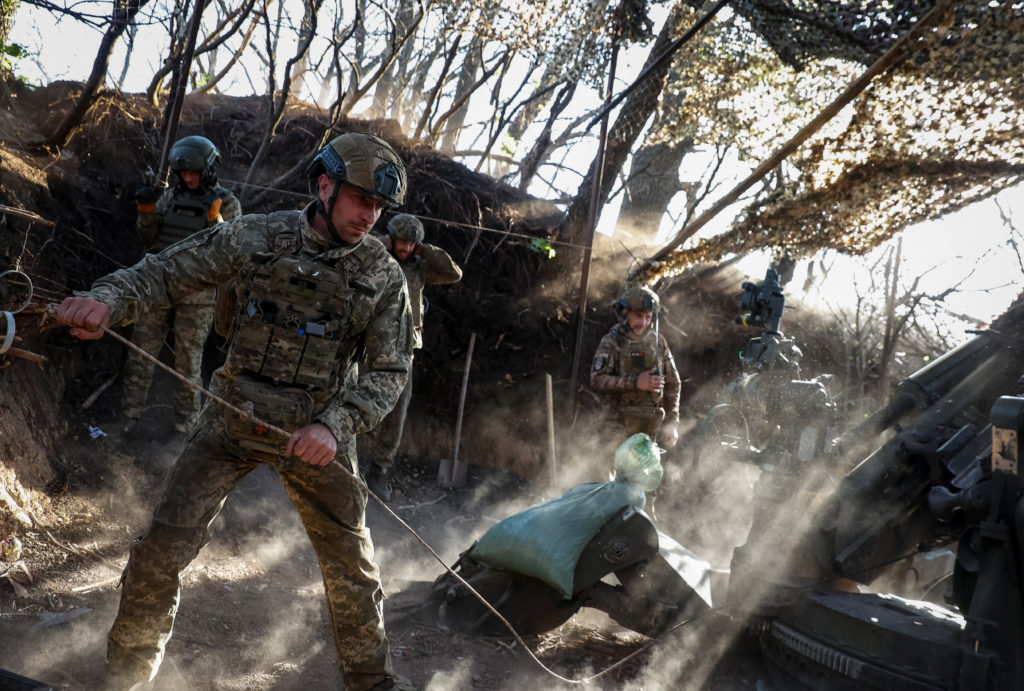
The Russia–Ukraine conflict has become one of the most intense wars in Europe in decades. Heavy artillery, drone warfare, and close combat dominate the front lines.
Foreign recruits often face:
Harsh training conditions
Language barriers
Limited support networks
High-risk assignments
Families back home sometimes lose contact. In the worst cases, news of death arrives through unofficial channels or social media.
For parents and communities, the shock is devastating. Many never imagined their sons would become soldiers in a distant war.
The Legal and Diplomatic Questions
This growing trend raises difficult legal and diplomatic questions for African governments.
Some recruits sign official contracts with foreign armed forces, which may not technically violate international law. However, the issue becomes sensitive when:
Recruitment involves deception
Young men are pressured or misled
Proper documentation is unclear
Governments face pressure to protect their citizens abroad while also maintaining diplomatic neutrality in global conflicts.
At the same time, embassies often have limited ability to intervene once individuals have signed contracts or entered military service.
What Is Missing in the Story
The headlines often focus on geopolitics — sanctions, military strategy, territorial gains. What is missing is the human side of the story.
Behind every foreign recruit is:
A mother who sold land to finance travel
A younger sibling waiting for school fees
A community that believed someone had “made it” abroad
The war is not only reshaping Europe. It is quietly reshaping lives in African villages and cities.
Another missing piece is the role of information. Many young people rely on social media for job opportunities. Without strong regulation and awareness campaigns, misleading recruitment messages spread easily.
A Generation at Risk
Africa has one of the youngest populations in the world. Millions of young people enter the job market every year. When local economies cannot absorb them, they look outward.
Migration is not new. But entering active war zones for survival income is a dangerous new dimension.
Experts warn that without stronger economic opportunities at home, more young Africans could be exposed to similar risks — whether in military recruitment, unsafe labor markets, or irregular migration routes.
Beyond the Battlefield
The Russia–Ukraine war is often discussed in terms of global power shifts. Yet its impact stretches far beyond Europe.
For some African youth, it has become a desperate pathway — one shaped by poverty, hope, and limited choices.
The real solution does not lie on the battlefield.
It lies in:
Expanding job creation at home
Strengthening safe migration systems
Monitoring deceptive recruitment networks
Supporting families and returnees
Until then, some young men will continue to gamble everything for a chance at survival — even if it means stepping into someone else’s war.
And in that tragic calculation, the cost is measured not only in geopolitics, but in lost futures.