Drone warfare is increasingly shaping the long-running conflict in eastern Democratic Republic of the Congo, as armed groups and government forces adopt new technology to gain the upper hand.
In early February, the Rwanda-backed March 23 Movement (M23) claimed responsibility for a drone strike on a military drone command centre at Kisangani airport. The airport is located hundreds of kilometres from the main front lines and plays a key role in government air operations.
Kisangani lies between the capital, Kinshasa, and M23-controlled areas in the east. It serves as a base for the Congolese army’s attack drones and Sukhoi fighter jets, which are central to the government’s military strategy.
Growing Use of Drones
Since resuming its rebellion in 2021, M23 has captured large areas of mineral-rich eastern Congo. In early 2025, the group seized major cities including Goma and Bukavu.
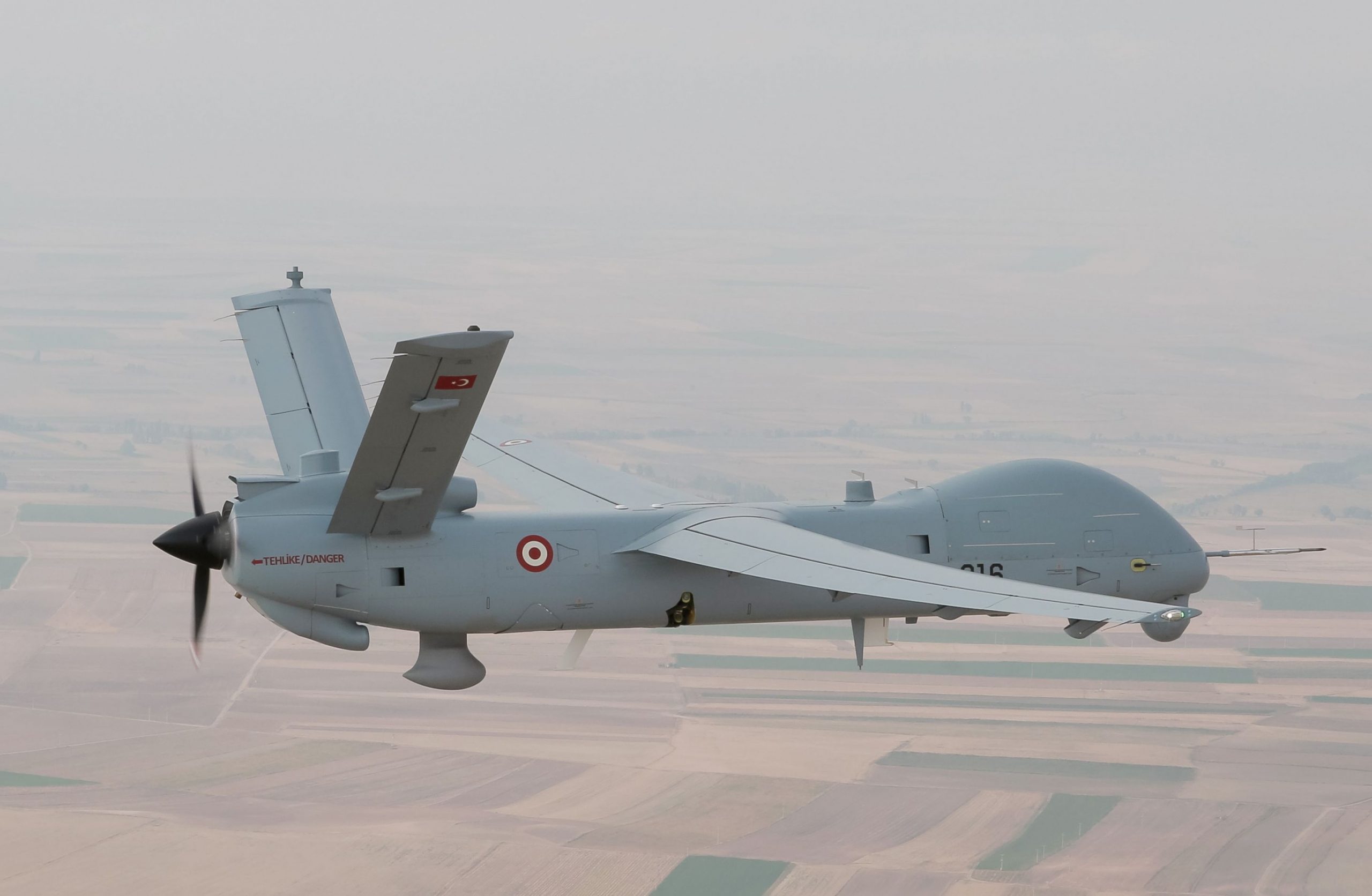
On the ground, M23 fighters — backed by Rwanda — are seen as better trained and equipped. However, the Congolese army has tried to maintain control of the skies by purchasing long-range attack drones, including China’s CH-4 and Turkey’s TAI Anka models.
Security experts say Rwanda has deployed advanced GPS-jamming systems along the border. According to United Nations experts, these systems have disrupted not only military drones but also civilian and humanitarian flights.
Residents near Kisangani airport reported hearing loud explosions on the night of January 31 to February 1. Local authorities said at least eight drones targeted the airport within 24 hours, forcing many people to flee their homes.
Although M23 had previously used explosive drones in attacks on the eastern city of Uvira, this was the first reported strike so far behind government lines.
Officials have not yet revealed the type of drones or weapons used in the Kisangani attack, leading to speculation. Some observers question whether small explosive drones could travel such a long distance, suggesting they may have been launched from closer to the airport.
Foreign Fighters and Private Contractors
The conflict has also drawn in foreign mercenaries and private military contractors. While the Congolese government has not officially disclosed the companies it works with, foreign personnel have reportedly been seen operating drones and handling anti-drone defence systems at Kisangani airport.
United Nations experts say the government recruited former members of a private military firm to pilot Chinese CH-4 drones after their earlier contract ended in 2025. Other foreign contractors are believed to operate Indian-made D4 anti-drone systems.
There are also reports that fighters linked to companies associated with US businessman Erik Prince — founder of the former military contractor Blackwater — are present in eastern Congo. Government sources confirmed that agreements related to mining tax collection were signed with Prince.
The involvement of foreign actors has raised concerns that Congo’s vast mineral wealth is being used as leverage in international deals, particularly as part of efforts to secure peace.
Peace Efforts Struggle
Although the DRC and Rwanda signed a peace agreement in July under pressure from US President Donald Trump, fighting has continued both on the ground and in the air.
Analysts say drones are changing the nature of the conflict. In a country with limited roads and difficult terrain, drones allow forces to strike targets quickly and with fewer logistical challenges than ground operations.
As both sides invest in advanced technology, civilians remain caught in the middle. For many residents in eastern Congo, the sound of drones overhead has become a new and frightening part of daily life in a conflict that has already lasted more than three decades.