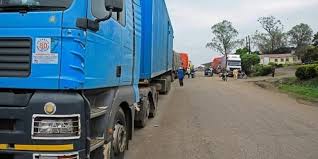
KAMPALA, Uganda — Despite ongoing security concerns in the region, the Democratic Republic of Congo (DRC) has successfully retained its position as Uganda’s primary African export destination. According to new data from the Bank of Uganda, Uganda exported goods worth $625 million to the DRC for the 12 months ending November 2025, reinforcing the importance of this trade relationship.
Shifting Trade Dynamics
This latest performance sees the DRC surpass Kenya, which had historically been Uganda’s top African trade partner. Kenya now ranks second, with exports to Uganda totaling $592.9 million. Other notable regional markets include South Sudan, at $492 million, and Rwanda, which imported goods worth $328.4 million.
The shift in Uganda’s trade dynamics signals a broader trend in regional commerce, with the DRC emerging as a key economic partner despite its own internal challenges. This development is significant, considering the DRC’s complex political and security environment.
Key Trade Drivers: Agriculture and Manufactured Goods
The trade relationship between Uganda and the DRC is primarily driven by Uganda’s exports of manufactured consumer goods and agricultural products. Among the leading exports are:
Manufactured Goods: Sugar, iron sheets, and beverages.
Agricultural Products: Maize, beans, fish, and related agricultural supplies.
These goods reflect the growing demand in the DRC, which has seen its own economic activities stimulated by both domestic and regional trade. In addition to these primary goods, Uganda’s total export receipts for the period reached $12.7 billion, a significant 33 percent increase from the previous year’s $8.5 billion. Gold and coffee, Uganda’s flagship export commodities, have continued to contribute substantially to this growth.
Economic Resilience Amid Global Uncertainty
Adam Mugume, Director of Research at the Bank of Uganda, attributed the country’s solid economic performance to prudent monetary policies and exchange rate stability. Uganda’s economy has demonstrated resilience in the face of global uncertainty, with strong proceeds from gold, coffee, and sugar.
While the DRC continues to lead Uganda’s African export markets, the United Arab Emirates (UAE) remains a crucial partner in the global trade landscape, particularly for Uganda’s coffee exports. As the UAE becomes a primary destination for coffee, it further solidifies the importance of non-African markets in Uganda’s overall export strategy.
Challenges and Opportunities
Despite these positive developments, experts from the Uganda Free Zones and Export Promotions Authority have noted that challenges related to infrastructure and agricultural investment continue to persist. However, Uganda’s strategic position in East Africa, coupled with its strong agricultural base, continues to offer promising opportunities for trade and revenue generation.
The ongoing trade growth with the DRC also points to the potential for increased cross-border trade, despite the political and security risks. In fact, both Uganda and the DRC have previously agreed to foster better economic cooperation through initiatives that encourage regional trade, further solidifying their economic ties.
Looking Ahead
As Uganda continues to navigate regional trade dynamics and global market uncertainties, its relationship with the DRC remains a cornerstone of its export strategy. The continued growth in trade with the DRC and other African nations reflects Uganda’s broader economic diversification, even as it faces challenges related to infrastructure and investment.
With Uganda’s total exports hitting new heights, the nation remains poised to capitalize on its geographical position and agricultural strengths, while seeking to overcome hurdles to unlock even more potential in regional and global trade.
Would you like any adjustments or additional insights?