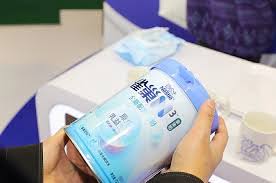
A massive global recall of potentially contaminated infant formula has sparked intense scrutiny of Chinese firm Cabio Biotech, the supplier at the heart of the crisis. Major companies, including France’s Danone and Switzerland’s Nestlé, have been forced to pull affected products from shelves, with concerns about the presence of cereulide, a toxin that can cause severe gastrointestinal illness.
Why is Cabio Biotech under fire?
The controversy began when companies like Nestlé and Danone recalled batches of infant formula after detecting cereulide contamination. This toxin can cause vomiting and diarrhea, posing a severe risk to infants who consume contaminated formula. Although many companies initially refrained from naming the source of contamination, French company Nutribio confirmed that it initiated its recall based on an alert from Cabio Biotech, which supplies the Omega-6 (ARA) ingredient used in infant formula.
ARA, or Arachidonic acid, is a crucial fatty acid for brain and nervous system development in infants, making its contamination particularly alarming. The French agriculture ministry also referenced a Chinese supplier in connection to recalls by Nestlé, Lactalis, and Vitagermine, all of which raised alarms about potential risks associated with ARA oil produced by Cabio Biotech.
What is Cabio Biotech’s Role in the Crisis?
Established in 2004 and headquartered in Wuhan, China, Cabio Biotech is one of the largest suppliers of ARA products globally. The company controls more than 50% of the domestic Chinese market, and its clients include major Chinese dairy firms like Mengniu, Junlebao, and Yili. The firm also supplies global giants such as Nestlé and Danone.
Cabio Biotech’s primary products include ARA, DHA (docosahexaenoic acid), sialic acid, and vitamin A precursor beta-carotene. While the company has long been a key player in the infant nutrition industry, its role in the ongoing crisis has raised serious concerns about the safety of its products.
The Response and Legal Action
In France, the fallout has been significant. A children’s advocacy group filed an emergency injunction against the company in a Paris court, demanding that all baby formula containing ARA oil produced by Cabio Biotech be recalled immediately. The Association for Children’s Health, based in Chartres, France, argues that the public health risk is too high to ignore, and it has called for a swift government order to pull the affected products from shelves.
While French authorities are investigating the possible link between contaminated formula and the deaths of two infants, they have not yet established a direct connection between the formula and the deaths.
The Global Impact on the Companies Involved
The recall crisis has reverberated through the global food and biotech sectors, with significant financial consequences for the companies involved. In the wake of the recall, the stock prices of Nestlé and Danone have taken a hit. Nestlé’s shares have dropped by around 4%, while Danone’s stock plummeted by 10% after it announced its own product withdrawals.
In China, Cabio Biotech’s stock price has fallen sharply—by more than 21% since early January, highlighting the financial fallout from the contamination scare.
What Has Cabio Biotech Said?
So far, Cabio Biotech has not publicly addressed the allegations surrounding its ARA oil. The company has not responded to multiple requests for comment by AFP. The firm’s silence has only fueled growing concerns about its involvement in the contamination, especially as investigations continue into the cause of the toxin’s presence in infant formula.
China’s Response to the Crisis
The Chinese government, which is highly sensitive to food safety issues, has expressed concern over the recall. The State Administration for Market Regulation has vowed to take swift action to ensure the safety and quality of infant formula in the domestic market. This commitment is especially significant given the country’s painful history with food safety scandals. The 2008 melamine milk scandal, which resulted in the death of six infants and affected hundreds of thousands of others, remains a painful chapter in China’s food safety history.
In response to the Nestlé recall in Europe, Chinese authorities urged Nestlé’s domestic operations to initiate a recall of affected batches in China. The government’s quick response reflects its ongoing focus on preventing food safety incidents, especially those that affect children.
Looking Ahead: What’s Next for Cabio Biotech and the Industry?
As investigations continue, both regulatory authorities and the public are anxiously awaiting answers about the source of the contamination. While Cabio Biotech has yet to comment on the issue, the ongoing recalls have left an indelible mark on its reputation. The company’s next steps, as well as the outcome of the legal actions against it, will be crucial in determining its future in the global market.
In the meantime, the infant formula industry, already sensitive to quality control issues, will likely face increased scrutiny. Food safety advocates and concerned parents alike are watching closely to see how authorities and companies handle this crisis, with many hoping that stricter regulations and improved safety measures will prevent similar incidents in the future.