Bulgaria has officially adopted the euro as its national currency, becoming the 21st country to join the eurozone, almost 20 years after joining the European Union in 2007.
The change took effect at midnight on Thursday, when Bulgaria stopped using its long-standing currency, the lev, which had been in circulation since the late 19th century. To mark the moment, images of Bulgarian euro coins were projected onto the central bank building in the capital, Sofia, as people celebrated the New Year.
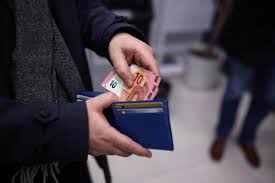
European Central Bank President Christine Lagarde welcomed Bulgaria into the eurozone, calling the euro a powerful symbol of shared values, unity, and collective strength across Europe. Many citizens were eager to experience the change, with some rushing to ATMs shortly after midnight to withdraw euros for the first time.
For years, successive Bulgarian governments have pushed for euro adoption, hoping it will strengthen the economy, improve trade and travel, attract investment, and reduce the country’s vulnerability to outside influence, including from Russia. Bulgaria is currently the poorest member of the European Union, and leaders believe the euro will help boost economic growth and stability.
However, the move has also caused concern and division among the population. Many Bulgarians fear that switching to the euro will lead to higher prices, while wages remain low. According to a recent Eurobarometer survey, nearly half of Bulgarians oppose adopting the euro.
President Rumen Radev described the move as the final step in Bulgaria’s integration into the EU but criticised the government for not holding a public referendum. He said the decision highlighted the growing gap between political leaders and ordinary citizens, a divide that has already sparked protests in recent months.
Bulgaria is currently facing political instability, following anti-corruption protests that led to the fall of a conservative-led government in December. The country is now heading toward its eighth election in five years, adding to public anxiety over inflation and economic uncertainty.
At markets across Sofia, prices are now displayed in both levs and euros to help shoppers adjust. Some business owners say prices have already started rising. Official data shows food prices increased by five percent in November, more than double the eurozone average.
Despite the worries, some citizens remain optimistic. “The rest of Europe has managed with the euro, and we will manage too,” said a retired man in Sofia.
European Commission President Ursula von der Leyen said Bulgaria’s entry into the eurozone would make travel and living abroad easier, improve market transparency, and support trade. Central bank governor Dimitar Radev added that the euro represents more than money, saying it is a sign of belonging to the European family.
The euro was first introduced in 2002, and Croatia was the most recent country to adopt it in 2023. With Bulgaria joining, more than 350 million people across Europe now use the euro.