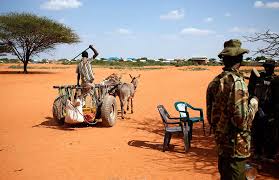
Since taking office, the Kenya Kwanza government has prioritized overhauling the country’s security sector, addressing long-standing challenges including political interference, corruption, extrajudicial killings, and the historical dependence of the police service on the Office of the President.
The government’s manifesto promised more than just increased patrols—it pledged a professional, accountable, and welfare-conscious security apparatus, a promise that carried particular weight for northern Kenya’s communities, historically plagued by cattle raids and armed conflict.
Financial Independence and Welfare Reforms
On his first day in office, President William Ruto delivered on key manifesto pledges by granting the National Police Service financial independence. Subsequent reforms, including the Maraga Report salary reviews and the National Police Service Veterans and Fallen Heroes Bill, addressed welfare needs and aimed to ensure a motivated, sustainable force.
Operation Maliza Uhalifu: Tackling Pastoral Violence
In the North Rift, the government launched Operation Maliza Uhalifu, a targeted security initiative that has begun to yield tangible results:
798 illegal firearms surrendered
4,273 rounds of ammunition recovered
286 arrests made
21,724 raided cattle recovered
By striking at the livestock-raiding economy, these efforts aim to break cycles of inter-communal violence and restore safety in pastoral regions.
Impact on Local Communities
Residents in Laikipia, Baragoi, and Samburu report a noticeable shift in their daily lives.
In Baragoi, the deployment of specialized forces has replaced nightly gunfire with safe mobility.
In Samburu, inter-communal raids have decreased, and leaders note a shift from incitement to dialogue.
These outcomes represent the human dividends of reforms initially framed in the government’s manifesto. Security, as emphasized in the Bottom-Up Economic Transformation Agenda, is not merely a standalone pillar but the foundation for broader social and economic development.
For communities in northern Kenya, what is being experienced today is more than reduced violence—it is the fulfillment of manifesto promises in action.