Across Africa, democracy is under growing pressure as more leaders find ways to silence or block opposition candidates, turning elections into one-sided contests that weaken public trust and risk violent unrest.
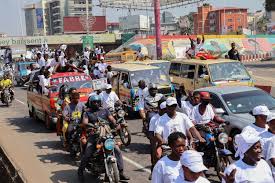
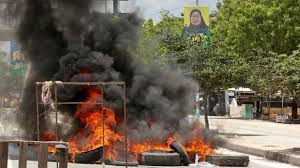
This trend has been especially visible in recent weeks. In Tanzania, elections turned violent when citizens protested against the lack of real competition after the main rivals to President Samia Suluhu Hassan were either jailed or barred from running.
Similarly, in Ivory Coast, President Alassane Ouattara easily won a fourth term with nearly 90 percent of the vote after his two strongest opponents were disqualified.
In Cameroon, President Paul Biya, aged 92 and Africa’s longest-serving leader, was re-elected for an eighth term—again with his top challenger banned by the constitutional court.
Analysts say these developments point to a deep crisis of democratic governance on the continent.
“Elections are increasingly being controlled by ruling elites who manipulate the system to stay in power,” said Heritier Brilland Ndakpanga of the Centre for Humanitarian Dialogue.
While 2024 saw democratic progress in countries like Ghana, Botswana, Mauritius, and Senegal, where opposition parties won fairly, many other African governments appear determined not to take such risks.
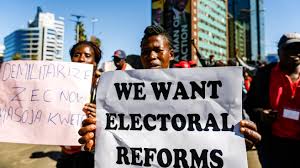
In Central African Republic, opposition groups are boycotting upcoming elections, accusing authorities of controlling the supposedly independent electoral body. In Tanzania, opposition leader Tundu Lissu remains in jail on treason charges after calling for electoral reforms.
Experts warn that Africa’s young population—frustrated by unemployment and corruption—is becoming harder to silence. From Kenya’s Gen Z protests to the recent military takeover in Madagascar, young Africans are increasingly demanding change.
“People are becoming more active and creating stronger opposition movements, and governments are responding with repression,” said Nic Cheeseman, a political scientist at the University of Birmingham.
Another reason authoritarianism is growing is that foreign pressure for democracy has weakened.
Countries like China, Russia, Turkey, and the UAE are expanding their influence in Africa, offering aid and investments without demanding democratic reforms.
“Geopolitical competition is eroding the rule of law. Democracy is no longer a requirement for cooperation,” said Mandipa Ndlovu of Leiden University.
Meanwhile, the United States, under President Donald Trump’s administration, has taken a more transactional approach, cutting back on pro-democracy aid and telling diplomats to avoid criticizing elections.
The combination of youth frustration, repressive regimes, and weak international oversight is creating a fragile situation across the continent.
Tanzania, long seen as a peaceful nation, has been shaken by unrest. Similar patterns are emerging elsewhere, with citizens increasingly challenging entrenched rulers.
“Gen Z will save us all,” said Ndlovu. “They’re demanding real change, but unless institutions are reformed, history may repeat itself.”
Experts point to Kenya’s 2007–2008 crisis—when election violence forced constitutional reforms—as an example that change often follows major turmoil.
“Big protests alone are not enough to push elites to change,” warned Cheeseman. “What we’re seeing now is a dangerous mix—citizens demanding accountability while governments grow more repressive.”
Across much of Africa, democracy is fading as leaders tighten control, sideline opposition, and use state institutions to maintain power.
But a new generation of young Africans, empowered by social media and disillusioned by broken promises, is pushing back—demanding fairness, jobs, and a voice in their future.
Whether this rising movement can bring lasting reform—or faces even harsher crackdowns—may define Africa’s democratic path in the coming decade.