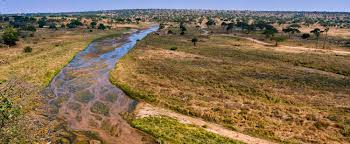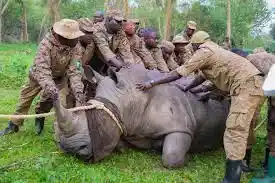
For the first time in over four decades, rhinos have returned to the wild in Uganda, marking a powerful step forward in conservation efforts. The historic reintroduction took place in Kidepo Valley National Park, where the species had long been absent after being wiped out by poaching in the early 1980s.
The last rhino in the park was killed in 1983, during a period when heavy poaching and instability devastated wildlife populations across the country. Once home to nearly 700 rhinos, Uganda lost the species entirely in the wild, leaving a significant gap in its natural heritage.
That story is now beginning to change. On Tuesday, two southern white rhinos were successfully relocated to Kidepo, becoming the first of eight animals planned for reintroduction. This carefully coordinated effort aims to rebuild a sustainable population in one of Uganda’s most remote and ecologically rich landscapes.
The operation, led by the Uganda Wildlife Authority, follows extensive research to ensure the park can support the animals. Studies confirmed that Kidepo offers suitable habitat, security, and ecological conditions necessary for the rhinos to thrive once again.
To safeguard the animals, a specially designed sanctuary has been established within the park. It includes perimeter fencing, water systems, ranger patrol units, and modern monitoring technology—measures intended to prevent a repeat of the past.
The rhinos were transported from a private breeding ranch in Nakasongola, where conservation efforts have been underway since 2005. That program began with just four rhinos imported from Kenya and has since grown into a key source for reintroduction initiatives.
Despite this milestone, challenges remain. Poaching continues to threaten wildlife across the region, driven largely by the illegal trade in rhino horns, which are highly valued in some parts of the world for traditional medicine and as status symbols.
According to the International Union for Conservation of Nature, the southern white rhino is currently classified as “near threatened,” with populations still declining globally. Estimates suggest that just over 10,000 individuals remain.
Even so, the return of rhinos to Kidepo signals renewed hope. It represents not only the restoration of a lost species but also a broader commitment to protecting biodiversity and reversing decades of environmental loss.
As Uganda writes this new chapter, the reappearance of these iconic animals stands as a reminder that with sustained effort, even the most severe conservation setbacks can begin to heal.