Uganda has achieved a major milestone in its energy sector after becoming the first country in Africa to reach financial close on a privately financed Independent Transmission Project.
The $50 million Amari Power Transmission Project, developed by UK-based Gridworks, has now moved into the construction phase following the signing of key agreements with the government. These include an implementation agreement with the Ministry of Energy and Mineral Development and a transmission services agreement with the Uganda Electricity Transmission Company Limited.
This development marks a shift from the traditional government-funded model to one that embraces private investment, helping to ease pressure on public finances while accelerating infrastructure development.
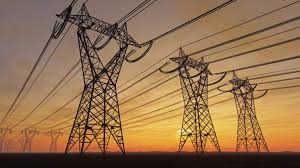
The project aims to upgrade four key high-voltage substations located in Tororo, Nkenda, and Mbarara (North and South). These substations are critical to Uganda’s national grid but have been facing transmission bottlenecks, limiting the efficient distribution of electricity to high-demand areas.
Once completed, the upgrades are expected to improve the reliability and quality of power supply across the country, particularly benefiting industrial users. The enhanced electricity network is also anticipated to support manufacturing growth and contribute to Uganda’s broader goal of attaining middle-income status.
In addition, the strengthened transmission system will make it easier to integrate renewable energy sources such as hydropower and solar into the grid. It will also enhance regional electricity trade with neighboring countries, including Kenya and the Democratic Republic of Congo.
Energy Minister Ruth Nankabirwa described the project as a crucial step toward modernizing Uganda’s power infrastructure. She also noted that it has helped establish a new regulatory framework aimed at attracting further private investment into the energy sector.
Construction of the Amari project is expected to take approximately two and a half years, during which it will generate jobs and stimulate economic activity. It is also being viewed as a model for other African countries seeking to improve their electricity systems through private sector participation.
As energy demand continues to rise across the continent, initiatives like the Amari project highlight the growing role of private investment in building reliable and sustainable power infrastructure.