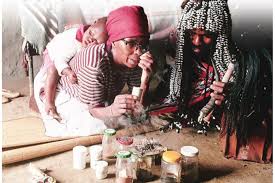
The government of Tanzania has ordered a nationwide crackdown on unlicensed herbal practitioners, citing growing concerns over public health and the safety of alternative medicine.
Authorities say the move targets individuals operating outside the legal framework, many of whom are accused of offering unverified treatments and misleading patients. The crackdown is part of broader efforts to regulate the traditional medicine sector and ensure that only qualified and registered practitioners are allowed to operate.
Officials warn that the rise of illegal herbalists poses serious health risks, as some treatments lack scientific validation and may delay patients from seeking proper medical care. In some cases, unregulated remedies have reportedly worsened medical conditions or caused harmful side effects.
The government is now stepping up enforcement, with inspections, arrests, and closures expected for those found in violation of the law. Practitioners have been urged to comply with registration requirements and operate within approved guidelines.
At the same time, authorities acknowledge the important role traditional medicine plays in Tanzanian society. The goal, they say, is not to eliminate the practice, but to ensure it is safe, credible, and properly regulated.
Health experts have welcomed the move, noting that stronger oversight could help protect the public while promoting trust in both traditional and modern healthcare systems.
The crackdown signals a firmer stance by the government as it seeks to balance cultural practices with the need
for safety, accountability, and improved healthcare standards.