Cuba was thrown into nationwide darkness for the second time in less than a week on Saturday after a fresh collapse of its already strained power grid, highlighting the country’s deepening energy crisis.
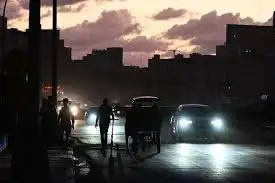
As night fell, large parts of Havana were left in near total darkness, with residents relying on mobile phone lights and flashlights to navigate the streets—just days after a similar blackout disrupted daily life.
Authorities said the outage was triggered by a failure in one of the country’s thermoelectric power units, causing a cascading breakdown across the national electricity system. The state-run Cuban Electric Union described it as a “total disconnection,” forcing emergency measures including the activation of micro-grids to keep critical services such as hospitals and water treatment facilities running.
For many Cubans, the repeated outages are becoming increasingly difficult to endure.
“This is becoming unbearable,” said Ofelia Oliva, a 64-year-old resident, expressing frustration after abandoning plans to visit family.
“It hasn’t even been a week since the last blackout.”
Cuba’s fragile electricity system relies heavily on aging infrastructure, with several power plants operating for more than four decades. Frequent breakdowns and maintenance shutdowns have resulted in prolonged outages—lasting up to 15 hours in Havana and more than 40 hours in other regions.
The situation has worsened significantly in recent months, with fuel shortages hitting the island hard. The disruption follows reduced oil supplies from Venezuela and increasing pressure from the United States, including threats of sanctions targeting countries supplying fuel to Cuba.
Donald Trump has intensified rhetoric against Havana, even suggesting ambitions to reshape the country’s leadership, remarks that have drawn strong resistance from Cuban authorities.
In response, Cuban President Miguel Díaz-Canel warned that any external aggression would be firmly resisted, underscoring rising geopolitical tensions.
The ongoing crisis is also affecting key sectors such as tourism and transport, with airlines reducing flights due to fuel constraints. Meanwhile, shortages of food, medicine, and basic supplies continue to fuel public frustration, occasionally spilling into protests.
Despite the hardships, many citizens are adapting as best they can. Some businesses remain open using generators, while others continue operating under minimal conditions.
“You have to keep going, otherwise you won’t bring money home,” said a local shopkeeper working by phone light.
As Cuba awaits possible fuel shipments, including reported deliveries from Russia, uncertainty remains over when stability will return to the island’s power supply.