Tensions between Iran and the United States have intensified as the ongoing conflict in the Middle East enters its third week. Both sides have exchanged strong warnings over possible attacks on oil facilities, raising fears of further escalation and disruption to global energy supplies.
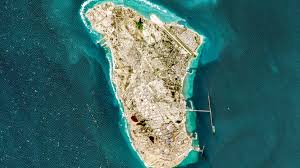
The crisis deepened after Donald Trump, the President of the United States, said American forces could strike Iran’s largest oil export center on Kharg Island if tensions continue to grow. The island is one of Iran’s most important oil terminals and plays a key role in the country’s energy exports.
In response, Iranian military officials warned that any attack on their oil facilities would trigger retaliation. They said oil infrastructure connected to U.S. interests in the region could be “destroyed and turned into ashes” if Iran’s energy facilities are targeted.
The conflict began on February 28 when the United States and Israel launched military operations against Iranian targets. Since then, waves of drone strikes, missile attacks, and aerial bombings have spread across the region.
According to Iranian health authorities, more than 1,200 people have been killed during the fighting, although these figures have not been independently confirmed. The United Nations High Commissioner for Refugees estimates that about 3.2 million people have been displaced inside Iran since the war began.
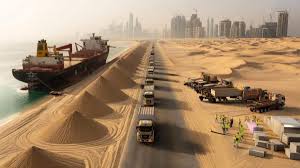
The conflict has also affected the global economy. Iran has threatened to target ships passing through the Strait of Hormuz, a vital shipping route through which nearly one-fifth of the world’s oil supply normally passes. As a result, oil tanker traffic has slowed significantly.
Global oil prices have already risen by more than 40 percent since the start of the conflict, causing concern among governments and businesses worldwide.
Meanwhile, heavy explosions were reported in Tehran as the United States promised to intensify its air campaign. The U.S. military says it has targeted thousands of sites connected to Iran’s missile program and military infrastructure.
The conflict has also spread beyond Iran. Missiles and drones have reportedly been intercepted in Qatar, Saudi Arabia, and Turkey, showing how tensions are affecting the wider region.
As the war continues, global leaders and international organizations are urging restraint to prevent the situation from escalating into a wider regional conflict. Many experts warn that further attacks on oil
facilities or shipping routes could have serious consequences for both regional stability and the world
economy.