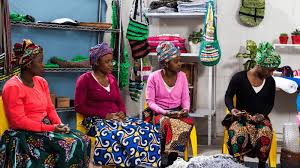
A new study has revealed that many women entrepreneurs in Tanzania still face difficulties accessing government business opportunities that are meant to support them. These opportunities are part of a special system known as Preferential Procurement Policy, which aims to give women, youth, and people with disabilities a fair chance to supply goods and services to government institutions.
The study shows that although the policy exists, many women-owned businesses are not benefiting from it. Several barriers continue to prevent them from winning government tenders and contracts.
One major challenge is a lack of information. Many women entrepreneurs are not fully aware of the procurement opportunities available to them or the procedures required to apply. Without proper guidance, they find it difficult to compete for government contracts.
Another problem is limited access to finance. Some women entrepreneurs struggle to secure loans or capital to expand their businesses so they can meet the requirements of government tenders. In many cases, contracts require businesses to have strong financial capacity, which smaller businesses may lack.
The study also found that complicated procurement procedures can discourage women from applying. The application process often requires technical knowledge, legal documentation, and experience that some entrepreneurs do not yet have.
Experts say improving access to training and financial support could help more women participate in the system. They recommend that government institutions simplify procedures and provide better information to women entrepreneurs.
Support organizations are also encouraging women to build business networks and seek training in business management and procurement processes. These steps can help them compete more effectively for government contracts.
Despite these challenges, experts believe that strengthening support for women entrepreneurs will not only empower women but also boost economic growth in Tanzania. When women-owned businesses succeed, they create jobs, support families, and contribute to the development of local communities.