Businesses in Tanzania are beginning to feel the economic effects of the escalating conflict in the Middle East, with traders and importers warning of rising costs, supply disruptions, and growing uncertainty in global markets.
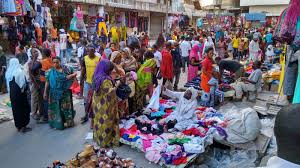
Early signs of the impact have been reported in busy commercial centres such as Kariakoo Market, one of the largest trading hubs in the country, where merchants say prices for several imported goods have started to rise as global supply chains react to the tensions.
Rising Concerns Among Traders
According to business operators, the conflict involving the United States, Israel and Iran—now entering its second week—has already begun to influence global shipping routes, fuel prices, and international trade flows.
These developments are particularly concerning for Tanzania because many local businesses rely heavily on imported goods and raw materials transported through international shipping lanes that pass near the conflict zone.
Traders warn that any prolonged instability could lead to higher freight costs, delayed shipments, and increased import prices, all of which would ultimately be passed on to consumers.
Impact on Fuel and Transport Costs
One of the biggest concerns among economists is the potential increase in global oil prices. The Middle East remains a critical region for global energy supply, and disruptions in the area often lead to volatility in international oil markets.
If oil prices continue to rise, Tanzania could experience higher fuel costs, which would affect transportation, manufacturing, and the cost of essential goods across the country.
Higher transport costs would also increase prices for food and other consumer products, placing additional pressure on households already facing rising living expenses.
Supply Chain Vulnerabilities
Tanzania’s economy is deeply connected to global supply chains, especially through the Port of Dar es Salaam, which serves as a major entry point for imports and exports in East and Central Africa.
Businesses that rely on imported electronics, textiles, machinery, and fuel are particularly vulnerable to disruptions caused by geopolitical conflicts.
Some traders say they have already begun adjusting their procurement strategies, including ordering goods earlier or seeking alternative suppliers to avoid potential shortages.
Call for Preparedness
Economic analysts say that while the immediate effects are still limited, the situation could escalate if the conflict continues or expands.
They advise governments and businesses across East African Community (EAC) countries to closely monitor developments and prepare contingency measures to cushion local economies from global shocks.
For now, Tanzanian traders remain cautious, watching global markets closely while hoping that diplomatic efforts will ease tensions and prevent a prolonged disruption to international trade.