For decades, toilet paper has been considered an essential part of daily life. However, growing environmental concerns and new research are now pushing many households to rethink this habit. Around the world, thousands of people are beginning to explore alternatives that are cleaner, cheaper, and more environmentally friendly.
The Surprising Truth About Bamboo Toilet Paper
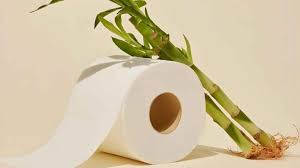
In recent years, bamboo toilet paper has gained popularity as a “green” alternative to traditional tissue. Many brands promote it as tree-free and environmentally friendly, suggesting it helps protect forests.
But a recent study conducted by researchers at North Carolina State University tells a more complicated story.
The scientists carried out a full life-cycle analysis comparing traditional wood-based toilet paper made in the United States with bamboo tissue produced in China and shipped overseas. The results were surprising.
According to the study, producing one ton of standard wood-based toilet paper generates around 1,824 kilograms of carbon dioxide emissions. In contrast, bamboo toilet paper produced in China and transported to the United States generates about 2,400 kilograms of emissions for the same amount.
This means bamboo tissue can actually have a larger carbon footprint under current manufacturing conditions.
The Real Environmental Problem
Researchers say the issue is not bamboo itself. Bamboo grows quickly and can be a sustainable raw material.
The problem lies mainly in how and where the tissue is produced.
Many Chinese factories involved in bamboo tissue production rely heavily on coal-powered electricity and fossil fuels to generate heat for the drying process. Meanwhile, pulp production in countries like Canada and Brazil often uses cleaner energy sources such as biomass or hydroelectric power.
When researchers simulated bamboo tissue being produced with cleaner energy sources, its environmental impact dropped significantly. This shows that energy use and manufacturing technology matter more than the type of plant fiber used.
Why Simply Switching Paper May Not Be Enough
Globally, toilet paper production consumes tens of thousands of trees every day, and consumption remains especially high in countries like the United States.
Even if consumers switch from wood-based tissue to bamboo products, the environmental benefits may be limited if production still relies on high-emission energy sources and long-distance transportation.
As a result, experts say the biggest environmental improvement may come not from switching paper types—but from reducing paper use altogether.
The Growing Popularity of Water-Based Cleaning
In many parts of the world, including Asia and Southern Europe, water has long been the primary method of personal hygiene in bathrooms.
Devices such as bidets, handheld sprayers, and bidet attachments are becoming increasingly popular in modern homes. These systems use a gentle stream of water to clean more effectively than dry paper alone.
After washing, users may simply dry with a small reusable towel or use a minimal amount of tissue.
This approach significantly reduces paper consumption, along with the amount of cardboard tubes and plastic packaging that end up in landfills.
Even simple solutions like portable travel bidets, which are small squeeze bottles with nozzles, allow people to try water-based cleaning without installing new bathroom fixtures.
The Problem With Wet Wipes
Some people prefer wet wipes for a cleaner feeling, but wastewater experts warn that these products can cause serious plumbing problems.
Many wipes labeled “flushable” do not break down easily in water. Instead, they can clog sewer systems, damage pumps, and contribute to costly maintenance issues.
Because of this, experts recommend disposing of wipes in the trash rather than flushing them.
Simple Ways to Create a Greener Bathroom
Experts suggest several practical steps for households that want to reduce their environmental impact:
Use less toilet paper and avoid extra-thick premium varieties that require more energy to produce.
Choose locally produced or recycled tissue whenever possible.
Consider installing a bidet attachment or hand sprayer to reduce paper use dramatically.
Be cautious of marketing claims such as “tree-free” that do not include clear environmental data.
Rethinking Everyday Habits
The conversation around toilet paper highlights a broader issue: sustainability often depends not just on the products we buy but also on how much we use and how they are produced.
While bamboo tissue may still improve with cleaner energy and better manufacturing methods, many experts believe that combining water-based cleaning with reduced paper use could be one of the most effective ways to create a more environmentally friendly bathroom.
In the end, the future of personal hygiene may not lie in switching to a different roll—but in using less paper altogether.