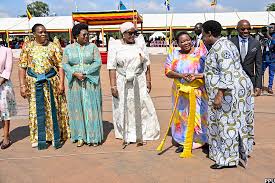
KAMPALA, March 8, 2026 — Ugandan President Yoweri Kaguta Museveni has emphasized that education and skills development for girls remain essential to empowering women and transforming society. His message was delivered during International Women’s Day celebrations held at the Kololo Ceremonial Grounds in Kampala.
The president’s remarks were presented on his behalf by Vice President Jessica Alupo, who officiated the event attended by government officials, diplomats, religious and cultural leaders, and members of the public. This year’s celebration was held under the national theme “Scaling up investments to accelerate access to justice for all women and girls in Uganda.”
Education as the Foundation of Empowerment
In his statement, Museveni explained that government reforms introduced since the National Resistance Movement (NRM) came to power in 1986 have focused on expanding education to address gender inequality. He pointed to national programs such as Universal Primary Education (UPE) and Universal Secondary Education (USE), which were created to guarantee access to schooling for all children.
According to the president, these policies have played a critical role in empowering girls who were previously denied educational opportunities as families often prioritized boys.
“Education and skilling of the girl child is an effective method of empowering not only women but the entire society,” Museveni said.
He added that when women are educated, they become better equipped to make informed decisions about healthcare, family welfare, and economic participation. For example, educated mothers are more likely to seek proper medical care during pregnancy, ensure children are vaccinated, and adopt better nutrition and hygiene practices.
Addressing Historical Inequality
Museveni noted that when the NRM assumed leadership in 1986, women—who made up more than half of the country’s population—remained largely marginalized due to limited education, poor health conditions, and lack of opportunities.
Despite their major contribution to Uganda’s subsistence economy and agricultural labor, women were often excluded from leadership and decision-making processes. To address this imbalance, the government introduced affirmative action policies, including a 1.5-point advantage for girls in university admissions and special parliamentary seats for women.
These measures, according to the president, have significantly increased women’s participation in public office and leadership roles.
Strengthening Legal Protection and Social Reforms
Museveni also highlighted government efforts to strengthen laws protecting women and girls from violence. These measures include stricter penalties for crimes such as rape and defilement, as well as initiatives to eliminate harmful cultural practices like female genital mutilation, early marriage, and domestic violence.
The president further stressed that poverty reduction is closely linked to improving women’s welfare. He explained that when households achieve financial stability through sectors such as agriculture, manufacturing, services, and ICT, families are better able to educate their children and support women’s empowerment.
“Development is a collective good for everyone,” he said, adding that economic growth must translate into jobs and household income for individuals and families.
New Policies and National Recognition
During the ceremony, Vice President Alupo launched several new policy frameworks designed to strengthen gender equality and protection for women and girls. These included:
The Second National Action Plan against Gender-Based Violence (2026–2031)
The Uganda Gender and Equality Climate Strategy (2026–2031)
The National Strategy to End Female Genital Mutilation (2026–2031)
Meanwhile, Betty Amongi, Minister of Gender, Labour and Social Development, said International Women’s Day offers a moment to celebrate progress while reflecting on the challenges that remain.
She praised the resilience of Ugandan women, particularly those in rural communities, who work tirelessly to support their families and contribute to national development.
State Minister for Gender and Culture Peace Mutuuzo noted that although Uganda has made progress in promoting women’s leadership, gender-based violence remains a significant concern, with many women still experiencing physical or economic abuse.
Leadership and Regional Engagement
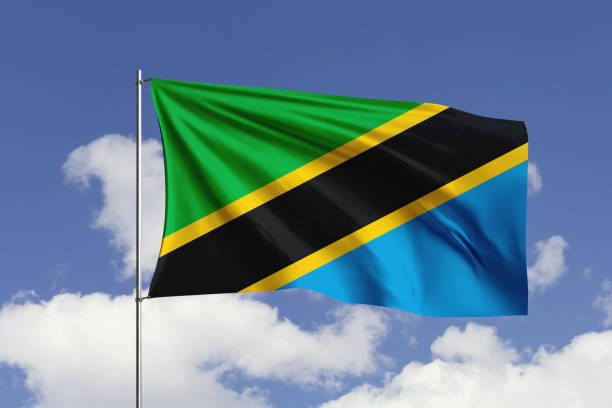
Vice President Alupo also congratulated Ugandans for participating in recent general elections and thanked citizens for supporting national leadership. She informed attendees that President Museveni was attending a regional meeting in Arusha, Tanzania, where he had been elected chairperson of the East African Community (EAC).
Honoring National Contributors
As part of the celebrations, 34 Ugandans received national medals in recognition of their outstanding contributions to the country’s development. The ceremony was attended by several senior leaders including Robinah Nabbanja, Uganda’s Prime Minister, Lukia Nakadama, the Third Deputy Prime Minister, and Flavian Zeija, the Chief Justice.
The event concluded with renewed calls for collaboration between government, communities, and development partners to ensure women and girls across Uganda have equal access to education, justice, and economic opportunities.