KAMPALA, March 8, 2026 — Uganda marked International Women’s Day on Sunday with a historic all-women military parade in the capital, Kampala, celebrating the achievements and contributions of women across the nation’s security forces and society.
The event was held under Uganda’s national theme for this year’s celebration: “Scaling up investment to accelerate access to justice for women and girls across Uganda.” The parade brought together female officers from different branches of the country’s security institutions, including the military and police, highlighting the growing role of women in national service and leadership.
During the ceremony, a message from Ugandan President Yoweri Museveni was delivered by Vice President Jessica Alupo, who presided over the event. In the speech, the president emphasized that International Women’s Day provides an important opportunity to recognize the vital role women and girls play in community development, national security, and economic progress.
Museveni noted that the Ugandan government has for years prioritized empowering women and girls through policies focused on education, legislation, and economic opportunity. According to the president, investing in the education and skills development of girls is one of the most effective ways to strengthen not only women’s empowerment but also the overall progress of society.
“Education and skilling of the girl-child is an effective method of empowering not only women but the entire society,” the president said in the statement.
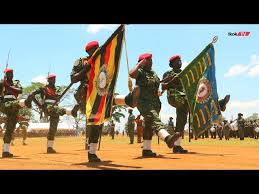
Vice President Alupo also inspected a guard of honor composed entirely of female officers, a moment that symbolized the increasing presence of women in Uganda’s armed forces and law-enforcement agencies. The parade showcased disciplined marching formations of female soldiers and police officers, reflecting both professionalism and national pride.
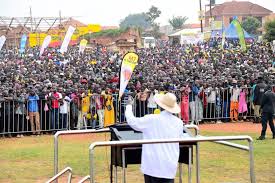
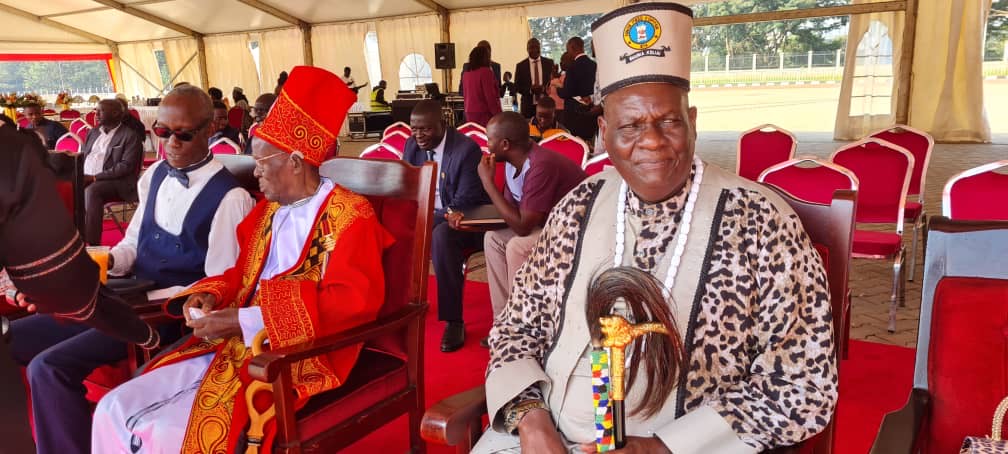
The celebration attracted foreign diplomats, government officials, and members of the public, demonstrating international and domestic support for gender equality initiatives in Uganda. Alongside the military display, the program featured cultural performances, including traditional songs and dances, which added a festive atmosphere to the occasion and highlighted Uganda’s rich cultural heritage.
The all-female parade served not only as a ceremonial display but also as a powerful symbol of progress toward gender equality, recognizing the expanding opportunities for women in leadership, security services, and public life across the country.
By hosting the parade, Uganda reaffirmed its commitment to advancing the rights, empowerment, and participation of women and girls as a key pillar of national development.