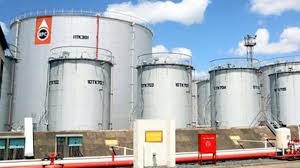
KAMPALA/NAIROBI — Uganda played a key role in saving Kenya’s Kenya Pipeline Company (KPC) Initial Public Offering (IPO) by investing Shs554.4 billion, securing a 20.15 percent stake in the company.
The decision was formally approved by Uganda’s Cabinet, according to a statement from the Ministry of Energy. The investment was made through the Uganda National Oil Company (UNOC), giving Uganda not only ownership shares but also significant influence in the company’s operations.
Why the Investment Matters
Kenya Pipeline Company operates the fuel pipeline system that transports petroleum products from the Kenyan coast inland, including supplies destined for Uganda. As a landlocked country, Uganda depends heavily on Kenyan infrastructure to import fuel.
By acquiring a 20.15 percent stake, Uganda now has a stronger voice in decisions affecting fuel transportation, pricing structures, and long-term infrastructure planning. Reports indicate the deal also gives Uganda certain veto powers designed to protect its fuel supply and ensure regional energy security.
Structure of the IPO
Under the IPO structure, 65 percent of KPC shares were offered to investors, while the Kenyan government retained 35 percent ownership. Uganda’s large investment came at a critical time, helping boost confidence in the offer and ensuring the success of the long-running privatisation process.
The IPO is part of Kenya’s broader strategy to reform state-owned enterprises and attract private capital to improve efficiency and expand infrastructure.
What Uganda Gains
For Uganda, the investment goes beyond financial returns. It is a strategic move aimed at securing reliable access to petroleum products, especially as regional demand for fuel continues to grow.
Energy experts say the stake reduces risks associated with supply disruptions, political disagreements, or pricing disputes. It also strengthens cooperation between Uganda and Kenya in the energy sector, particularly as both countries develop their oil industries.
Regional Impact
The deal highlights growing regional integration within East Africa. By investing directly in key infrastructure outside its borders, Uganda is taking steps to protect its economic interests and support long-term energy stability.
Analysts describe the move as both defensive and strategic — defensive in safeguarding fuel access, and strategic in deepening regional partnerships.
With the IPO now backed by a strong anchor investor, Kenya’s pipeline privatisation has gained momentum, while Uganda has secured a seat at the table in one of the region’s most important energy assets.