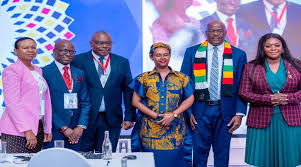
The fourth edition of the Africa Media Festival 2026 has concluded in Nairobi with a strong message: African media must demand transparency, accountability, and ownership as artificial intelligence reshapes journalism.
Held under the theme “Resilient Storytelling: Reimagining Media Freedom,” the two-day event brought together more than 200 organisations from 31 countries. Media professionals, digital creators, scholars, and policymakers discussed how technology—especially AI—is transforming news production and political communication across the continent.
AI and the Future of Journalism
Artificial intelligence was the main focus of the discussions. Delegates expressed concern about the rise of AI-generated content and foreign-owned digital outlets presenting themselves as local platforms. Many warned that automated content, AI summaries, and secret algorithms are increasingly controlling how news is created and distributed.
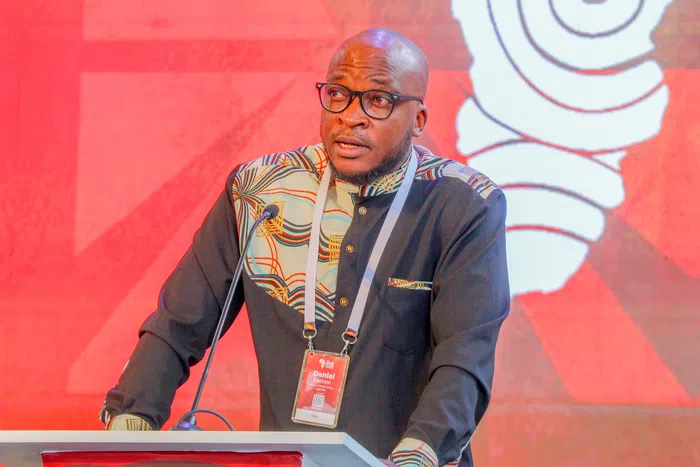
Ugandan journalist Daniel Kalinaki cautioned that AI is blurring the line between genuine journalism and externally influenced narratives. He stressed that journalists must remain vigilant to protect the integrity and credibility of their work.
Participants agreed that African media professionals should not only produce content but also take control of platforms, intellectual property, and distribution systems. Collective ownership and collaboration were seen as key to maintaining independence in the digital age.
Changing Media Landscape
The conference also examined the decline of traditional newsroom models. Shrinking revenues, tighter regulations, and the dominance of global digital platforms are weakening legacy media institutions. At the same time, younger, digitally native audiences are reshaping how news is consumed and how political discussions unfold.
Festival curator Martie Mtange noted that the future lies in a decentralised, creator-driven ecosystem. She urged media leaders to develop new ownership models that prioritise transparency and accountability.
Delegates also raised concerns about political leaders bypassing traditional media by communicating directly through controlled online channels, which may reduce public scrutiny and accountability.
Celebrating Media Excellence
Despite serious discussions, the festival ended on a positive note with the Africa Media Awards. A new category, the “Creator for Good Award,” was introduced and awarded to Kenyan digital creator Mike Muchiri, also known as Ziya, founder of Civic Rights Africa. The award recognised creators who use digital platforms to challenge corruption and injustice.
Winners in the Human Rights Journalism Award category included Robert Amalemba, Umar Farouk, and Tracy Bonareri. Veteran scholar Kwame Karikari was also honoured for his lifelong contribution to press freedom advocacy.
Organisers included wellness sessions to address the emotional stress faced by journalists covering conflict and repression, highlighting the need for resilience in today’s media environment.
A Clear Message for the Future
As AI continues to influence storytelling and information flow, African media leaders are calling for stronger ownership, ethical standards, and technological independence. The festival’s message was clear: the future of journalism in Africa must be shaped by Africans themselves, with transparency and integrity at its
core.