Kenya is promoting the bioeconomy as a new strategy to strengthen agriculture, reduce imports, and create jobs for young people.
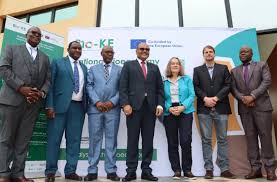
During a Bioeconomy Initiative forum organised by the National Commission for Science, Technology and Innovation (NACOSTI), experts said the country can use science and innovation to turn biological resources into economic opportunities.
NACOSTI scientist Rael Adhiambo explained that bioeconomy focuses on the sustainable use of natural resources such as crops, forests, and organic waste to support economic growth. Since Kenya’s economy depends heavily on agriculture, forestry, and tourism, investing in research and technology can increase productivity and add value to local products.
With more than 70 percent of Kenya’s population under 35 years, officials say young people must play a key role in driving innovation and entrepreneurship in the sector.
Principal Secretary Shaukat Abdulrazak from the State Department for Science, Research and Innovation said the government is using research-based solutions to improve waste management and agricultural production.
Kenya produces about 22,000 tonnes of waste every day, and around 60 percent of it is bio-waste. Through the initiative, researchers are exploring ways to convert this waste into useful products such as bio-fertilizers, which can improve soil health and increase crop yields.
The programme is also targeting the animal feed industry. Kenya currently imports animal feed worth more than Ksh.30 billion each year. Scientists are promoting insect-based protein and biotechnology solutions to develop local alternatives that are cheaper and more sustainable.
The initiative brings together universities, research institutions, industry players, and policymakers, with support from international partners including the European Union.
The government plans to develop a national bioeconomy strategy to turn research into commercial products, reduce greenhouse gas emissions, cut import dependence, and create sustainable employment opportunities.
Officials believe that by investing in innovation and empowering young scientists and entrepreneurs, Kenya can unlock new economic growth while protecting its natural resources for future generations.