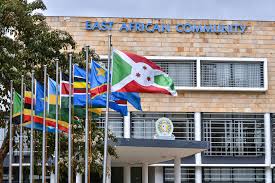
The East African Community (EAC) is facing growing financial pressure as some member states delay or fail to pay their required contributions to the regional bloc.
The crisis has raised concerns about the sustainability of the Community’s operations, with reports indicating that unpaid dues have created serious liquidity problems. As a result, key activities have slowed down, and there have been delays in funding programmes and paying staff.
According to regional officials, the EAC relies heavily on financial contributions from its Partner States to run its institutions, implement projects, and support integration efforts. When countries delay payments, the bloc struggles to meet its financial obligations.
The situation has triggered increased scrutiny from lawmakers and stakeholders, who are demanding accountability and urgent solutions. Some Members of the East African Legislative Assembly (EALA) have reportedly experienced payment delays, highlighting the depth of the financial strain.
Experts warn that continued defaults could weaken regional integration efforts, including trade facilitation, infrastructure development, and policy harmonisation. They stress that predictable and timely funding is critical for the bloc to function effectively.
The EAC, which brings together several East African nations under a common market and customs union framework, plays a key role in promoting trade, investment, and free movement across the region. However, financial instability threatens to slow down progress at a time when deeper integration is needed.
Leaders are now calling on all Partner States to honour their financial commitments to ensure the bloc remains stable and able to deliver on its mandate.