Outside Dubai, the heat hits like a hair dryer. Cranes reach into the sky, asphalt shimmers, and somewhere nearby, an excavator screams over the traffic. You’d think that, surrounded by endless desert, sand would be the one thing this region never runs out of.
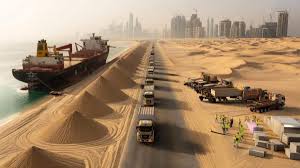
But then you see the docks: giant ships unloading pale, silky sand—imported from distant coasts. Millions of tons every year, bought and shipped like oil or coal.
At first, it seems impossible. Saudi Arabia and the United Arab Emirates, home to some of the largest deserts on Earth, are among the world’s biggest sand importers. Without this imported sand, Dubai’s glass towers, Saudi Arabia’s artificial beaches, and mega-projects like NEOM would not rise.
Why Desert Sand Isn’t Enough
The problem comes down to physics. Desert sand has been polished by thousands of years of wind, leaving rounded, smooth grains that slip instead of locking together. Concrete and land reclamation need rough, angular sand that binds like tiny Lego bricks. That’s why Gulf countries rely on riverbeds, seabeds, and imports from abroad.
Even iconic projects like Dubai’s Palm Jumeirah required sand with specific grain size and weight. Dredging local marine sand and importing foreign sand was essential to create foundations that resist waves. Urban growth, tourism ambitions, and prestige projects have turned sand into a strategic resource.
The Hidden Industry Behind the Sand
Each ton of sand involves a complex chain: geologists testing samples, engineers calculating loads, brokers negotiating contracts, dredgers sucking up sand from rivers or seabeds, and cargo ships delivering it thousands of kilometers away. A single skyscraper can consume hundreds of thousands of tons.
Globally, this trade is taking a toll. Communities in Vietnam, Cambodia, Sri Lanka, and Kenya watch their coasts erode as sand is removed to feed distant construction booms. Illegal mining flourishes in some areas, and fragile ecosystems are damaged, sometimes irreversibly. According to a UN report, sand is now the most extracted solid material in the world, surpassing even oil.
A Global Lesson in Scarcity
The Gulf’s dependence on imported sand reveals a surprising truth: even in a desert, the right kind of sand can be scarce. Every concrete floor, glass facade, and highway depends on this material, often taken from distant places.
A coastal engineer in Abu Dhabi put it simply: “Sand is to cities what flour is to bread. You only notice you’re running out when it’s almost too late.”
This has broader implications. Many nations still face construction booms, rebuilding after disasters, or rising sea levels. Scarcity isn’t just about oil or lithium—sand may quietly become a critical pressure point in the 21st century.
Toward Smarter, More Sustainable Construction
The good news is that alternatives are emerging. Engineers are experimenting with recycled concrete, crushed rock, and more efficient building designs to reduce dependence on natural sand. Some Gulf projects are beginning to embrace circular construction and smarter urban planning.
The challenge is enormous, but the solution is within reach: build the cities of the future without stripping distant ecosystems grain by grain.
The Desert Paradox
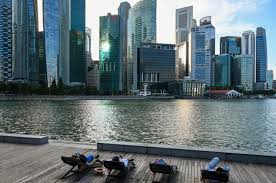
Next time you walk past a skyscraper or stand on a beach, remember the invisible journey of sand. The desert may appear endless, but the smooth grains underfoot are not enough to build the dreams of a modern city. Gulf skylines, iconic islands, and glass towers are all literally leaning on someone else’s shores, thousands of miles away.
Sand, once thought ordinary, is now a material that connects deserts, coasts, and cities in ways most of us never notice—but cannot ignore once we do.