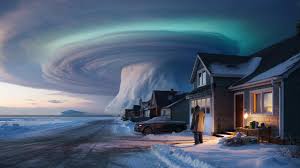
At 5:42 a.m., Sophie’s phone buzzed before her alarm clock rang.
A red warning filled her screen: “Snowfall alert – up to 30 cm. Hour-by-hour timing updated.”
She walked to the kitchen window and pulled back the curtain. Outside, there was only a thin white layer on the cars. It looked soft and harmless. The kind of snow that usually melts before noon.
But when she checked the full forecast, everything changed.
Meteorologists were no longer saying there might be snow. They were saying, clearly and directly: prepare now.
A Storm With a Schedule
Weather experts had released detailed maps showing exactly when the snow would hit each region. This was not a vague winter warning. It was a timed event.
In the central areas near the city, light snow was expected around 10 a.m. By lunchtime, only 1–2 cm would cover the ground. Many people would think it was nothing serious.
But between 3 p.m. and 7 p.m., a heavy band of snow would arrive. During those few hours, snow could quickly build to 15–20 cm — right in the middle of rush hour. Roads could turn dangerous fast.
In northern towns at higher elevations, heavy snow would begin even earlier, around midday, and continue into the late evening. Some areas could reach the full 30 cm before midnight.
Coastal regions would start the day with rain mixed with wet snow. But as temperatures dropped, the rain would turn into steady snow by early afternoon. Inland valleys would wake up to light snowfall that would grow heavier through the afternoon and evening.
The storm was not just about how much snow would fall. It was about when it would fall.
Why This Storm Is Different
A low-pressure system moving across the country is meeting a sudden drop in temperature. When the air turns just cold enough, snow begins to stick to roads instead of melting.
That small temperature change makes a big difference. Two extra hours of freezing air can double how much snow builds up on the ground.
Meteorologists explained that fast accumulation — snow falling heavily in a short time — is what causes the most trouble. Thirty centimeters over 24 calm hours is manageable. But 15 centimeters in three hours during rush hour can cause chaos.
School pick-ups, hospital shift changes, deliveries, and evening commuters may all be affected at the same time the snow becomes heaviest.
What This Means for Families
For Sophie, the warning was no longer just weather news. It was personal.
Should she pick up groceries before noon?
Should her partner leave work early?
Would schools close tomorrow morning?
Across the country, families are asking the same questions.
Some people panic-buy supplies. Others ignore the warning completely. The safest choice is somewhere in the middle: quiet preparation.
How to Prepare Before the Heavy Snow
The calm hours before the storm are the most important.
Before the first flurries:
Clear old ice and slush from driveways and sidewalks.
Check food, water, and medication supplies.
Fuel your car.
Charge phones and power banks.
When light snow begins:
Finish important errands.
Adjust flexible appointments.
Move vehicles to safer spots.
During heavy snowfall:
Stay home if possible.
If travel is necessary, drive slowly and allow extra time.
Keep headlights on and maintain distance from other vehicles.
After the storm’s peak:
Shovel snow in stages to avoid injury.
Watch for refreezing overnight.
Expect delays and icy patches the next morning.
These are simple steps, but they can prevent accidents and reduce stress.
The Emotional Side of a Red Alert
Storm warnings can feel overwhelming. The bold numbers — 20 cm, 30 cm — grab attention. But the real danger is not the final total. It is being outside during the heaviest hours.
One weather forecaster explained it clearly:
“People focus on how much snow will fall. What really matters is when it falls in your area.”
That advice changes everything. Instead of fearing the number, people can plan around the timing.