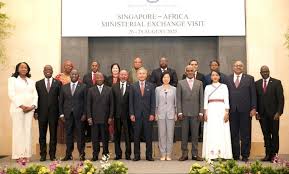
In February 2026, a quiet but important diplomatic step took place between two nations connected by the Indian Ocean — Tanzania and Singapore.
The Ambassador of Singapore to Tanzania, Douglas Foo, arrived in Dar es Salaam for a six-day official visit aimed at strengthening cooperation between the two countries.
Though geographically distant, Tanzania and Singapore share strategic interests in trade, port management, urban development, and economic growth.
A Visit Focused on Practical Cooperation
Ambassador Foo’s visit, from February 22 to 27, is designed to move beyond diplomacy on paper and focus on practical collaboration.
He was received at the airport by senior officials from Tanzania’s Ministry of Foreign Affairs and East African Cooperation. During his stay, he is expected to meet government leaders and private sector representatives to discuss:
Trade expansion
Investment opportunities
Port management expertise
Urban planning strategies
Industrial development cooperation
Good governance practices
These discussions reflect Tanzania’s ambition to modernize infrastructure and improve service delivery while attracting foreign investment.
Why Port Management Matters
One of the most important areas of cooperation is port management.
Singapore is home to one of the busiest and most efficient ports in the world. The Port of Singapore handles millions of containers annually and is known for its advanced logistics systems and strong governance model.
Tanzania, on the other hand, operates the Port of Dar es Salaam, which serves not only Tanzania but also several landlocked neighboring countries such as Zambia, Rwanda, Burundi, and the Democratic Republic of Congo.
Improving port efficiency in Dar es Salaam could:
Reduce cargo delays
Lower trade costs
Increase regional competitiveness
Boost Tanzania’s position as a regional trade hub
Singapore’s technical knowledge in logistics, digital systems, and port management could help Tanzania achieve these goals.
Urban Planning and Industrial Growth
Another key focus of the visit is urban planning.
Singapore is widely recognized for its well-organized urban development, efficient public services, and strong housing policies. Tanzania, especially cities like Dar es Salaam, is experiencing rapid population growth.
Collaboration in urban planning could support:
Better city infrastructure
Improved housing systems
Modern transport solutions
Sustainable industrial zones
Industrial development is also part of Tanzania’s long-term strategy to increase manufacturing and create jobs. Learning from Singapore’s transformation from a small trading port to a global business center may offer valuable lessons.
While the visit appears diplomatic on the surface, several deeper elements make this partnership significant.
1. Strategic Indian Ocean Connection
Both Tanzania and Singapore sit along key global shipping routes in the Indian Ocean. Strengthening ties helps improve maritime cooperation and trade flows between Africa and Asia.
2. Vision for Long-Term Economic Growth
Tanzania is pursuing ambitious development goals aimed at industrialization and middle-income status. Partnerships with advanced economies like Singapore can accelerate knowledge transfer and investment.
3. Private Sector Engagement
The visit includes meetings with private sector leaders, signaling that this partnership is not limited to government agreements but aims to encourage real business deals and investments.
4. Governance and Institutional Strengthening
Singapore’s reputation for strong governance and anti-corruption frameworks offers potential learning opportunities for improving efficiency in public institutions.
A Growing Diplomatic Footprint
Tanzania has recently strengthened relations with several global partners, including Asian and European nations. Expanding ties with Singapore reflects a broader strategy of diversifying diplomatic and economic partnerships.
For Singapore, engaging with Tanzania opens doors to East Africa’s growing markets and expanding infrastructure projects.
Looking Ahead
This six-day visit may not immediately produce large announcements, but it lays the groundwork for deeper cooperation.
If discussions translate into agreements and technical partnerships, Tanzania could benefit from:
Improved port efficiency
Smarter urban development
Increased foreign direct investment
Stronger trade networks
At the same time, Singapore gains access to new markets and strengthens its presence in Africa.
In a world where global partnerships shape economic progress, this visit represents more than protocol. It signals two nations recognizing shared opportunities across oceans.
As Tanzania continues its path toward modernization and industrial growth, partnerships like this may help turn ambition into measurable progress — building stronger bridges between East Africa and Southeast Asia.