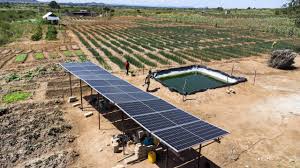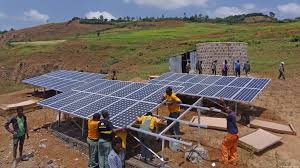
In February 2026, Tanzania reached an important milestone in its energy journey. The country officially completed and commissioned its first large-scale solar power plant in Kishapu District, located in the Shinyanga region.
This 50-megawatt (MW) solar project is the largest solar initiative Tanzania has built since independence. It marks a strong step toward a cleaner and more reliable energy future.
A Historic Energy Project
The project was developed under the leadership of the Ministry of Energy and is operated by Tanzania Electric Supply Company Limited (TANESCO).
During a site visit, TANESCO’s Managing Director confirmed that the plant has already started producing electricity. The facility is expected to connect its full 50 MW to the national grid by March 1.
For Tanzania, this is more than just another power station. It represents:
A shift toward renewable energy
A reduction in dependence on traditional power sources
A step toward improving electricity access nationwide
Until now, Tanzania has relied heavily on hydropower and natural gas. While these sources remain important, solar energy provides an additional and cleaner option, especially during dry seasons when water levels for hydropower can fall.
Why Kishapu Matters
Kishapu District is located in the Lake Zone region of Tanzania. This area has strong sunlight throughout the year, making it ideal for solar power generation.
Local leaders believe the new solar plant will transform the region’s economy.
According to district officials, stable electricity will help:
Young people working in mining
Farmers involved in agriculture
Small and medium-sized businesses
Local entrepreneurs
Reliable electricity means longer working hours, better storage for agricultural products, improved machinery use, and new investment opportunities.
For many residents, electricity is not just light — it is income, productivity, and opportunity.
Strengthening the National Grid
The additional 50 MW will improve the stability of Tanzania’s national power grid. Power shortages and fluctuations have affected some regions in the past. With more energy entering the system, households and industries are expected to experience more consistent supply.
This is especially important for:
Factories that depend on continuous power
Hospitals and schools
Urban and rural households
Growing towns in the Lake Zone
A stronger grid also builds investor confidence. When electricity is stable, businesses are more likely to expand operations.
What Was Missing in the Story
While the commissioning of the solar plant is a major achievement, several important points complete the picture.
1. Part of a Larger Energy Strategy
Tanzania is working to diversify its energy mix. Solar power complements hydropower and natural gas, helping reduce risks caused by drought or fuel price changes.
2. Climate and Environmental Benefits
Solar power reduces carbon emissions and lowers dependence on fossil fuels. This aligns Tanzania with global climate goals and sustainable development targets.
3. Job Creation
Beyond electricity generation, projects like this create jobs during construction, maintenance, and operations. They also help build local technical skills in renewable energy.
4. Regional Energy Integration
Tanzania is also improving regional energy cooperation, including new transmission projects with neighboring countries. Expanding solar generation strengthens its position in East Africa’s power network.
A Step Toward Energy Independence
For many years, Tanzania’s energy growth has been gradual. The commissioning of the Kishapu solar plant signals a new phase — one that focuses on modern infrastructure and clean energy solutions.
This project shows that Tanzania is:
Investing in long-term sustainability
Supporting economic growth
Improving living standards
Preparing for future energy demand
While 50 MW may not solve all power challenges overnight, it is an important beginning. It proves that large-scale solar energy is possible within the country.
Lighting the Future
The solar panels in Kishapu now stand under the bright Tanzanian sun, quietly turning sunlight into electricity. Each ray captured helps power homes, businesses, and public services.
This project is not just about megawatts.
It is about students studying under electric lights.
It is about farmers storing produce safely.
It is about factories running without interruption.
It is about communities moving forward.
With this first large-scale solar plant, Tanzania has taken a confident step into a cleaner and more stable energy future — and the light from Kishapu may soon inspire many more projects across the nation.