President William Ruto has called on African leaders to move from talk to action in implementing the African Continental Free Trade Area (AfCFTA) agreement.
Speaking on Friday in Addis Ababa, Ethiopia, where he chaired the inaugural Committee Meeting of Heads of State and Government on AfCFTA implementation, President Ruto said Africa must now focus on delivering real benefits to its 1.4 billion people.
From Negotiation to Action
President Ruto said the time for negotiations is over and that African countries must now fully implement the trade agreement.
He explained that by uniting African markets into one trading area, AfCFTA will:
Boost industrialisation
Increase value addition to African products
Promote job creation
Strengthen economic growth across the continent
According to projections, AfCFTA could increase trade between African countries by up to $3 trillion and raise Africa’s total GDP by about $1.4 trillion between 2021 and 2045.
“Africa must move with urgency, practicality and coordination,” President Ruto said. “With focused execution, we can strengthen our position as a competitive and resilient economic bloc.”
New Leadership Committee Formed
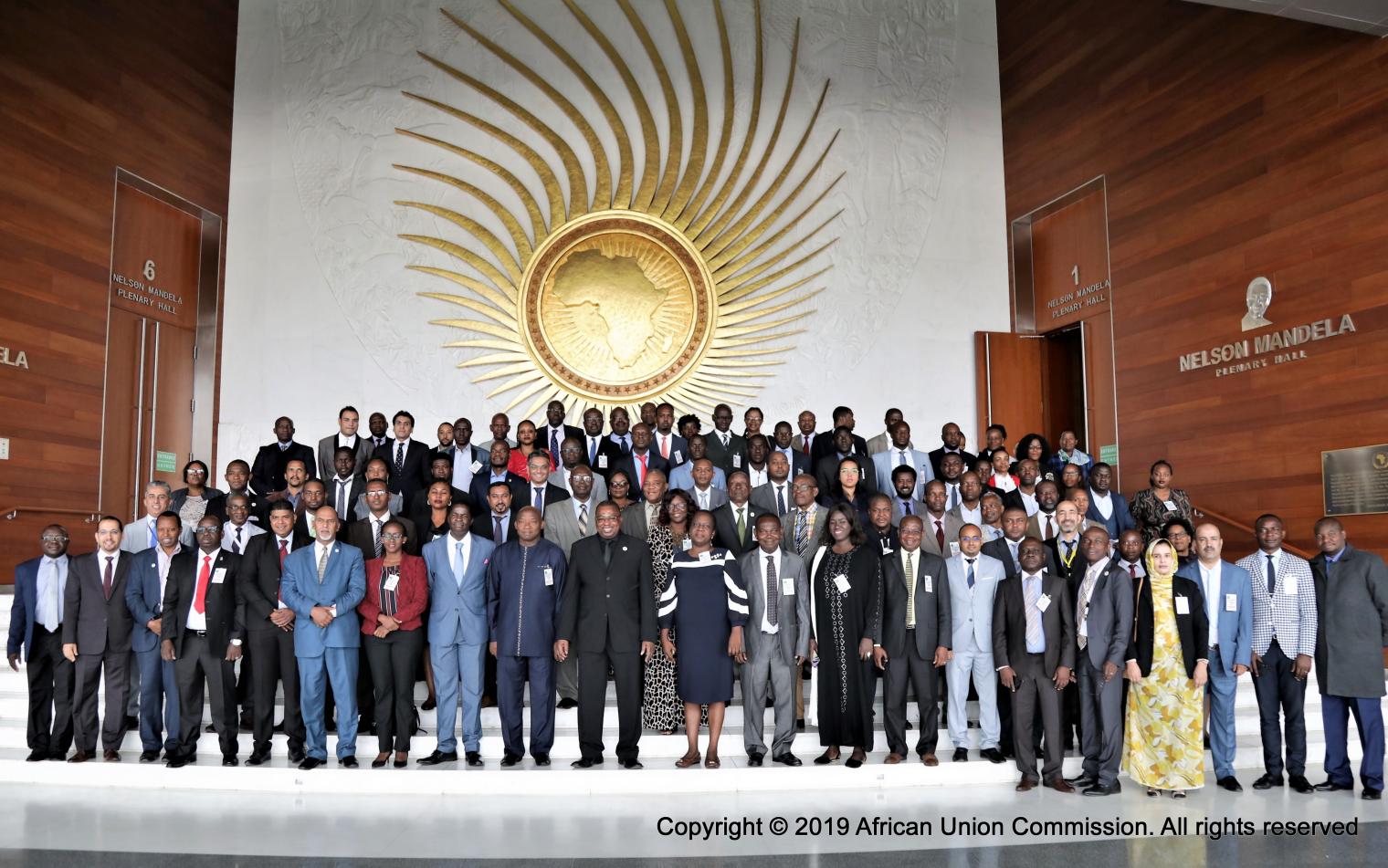
The meeting marked the launch of a new high-level committee tasked with ensuring the agreement is properly implemented.
President Ruto was elected Chair of the committee and will be deputised by Duma Boko, President of Botswana.
Other leaders present included:
Évariste Ndayishimiye, President of Burundi
Wamkele Mene, Secretary-General of the AfCFTA Secretariat
Ruto said the formation of the committee shows that African leaders understand the need for strong political leadership and accountability to make AfCFTA succeed.
Private Sector Key to Success
The President stressed that governments alone cannot drive the success of AfCFTA. He said the private sector — including investors, manufacturers, traders, innovators and entrepreneurs — will play a central role.
He noted that Africa’s private sector already accounts for most production, investment, credit uptake and employment across the continent.
“Its full participation is indispensable to the success of this agreement,” he said.
Focus on Small Businesses, Women and Youth
President Ruto also emphasized the importance of supporting Micro, Small and Medium Enterprises (MSMEs), which employ millions of Africans — especially women and young people.
He said AfCFTA policies must make it easier for small businesses to trade across borders, not harder.
This includes:
Reducing trade barriers
Simplifying customs procedures
Improving infrastructure
Ensuring access to finance
Why AfCFTA Matters
The AfCFTA, which officially began trading in 2021, aims to create the world’s largest free trade area by number of countries. It seeks to remove tariffs on most goods, reduce non-tariff barriers, and promote the free movement of goods and services across Africa.
If successfully implemented, experts say it could:
Reduce Africa’s dependence on imports from outside the continent
Increase manufacturing within Africa
Strengthen regional value chains
Create millions of new jobs
The Road Ahead
President Ruto pledged to work closely with fellow Heads of State, the AfCFTA Secretariat, Regional Economic Communities and the private sector to ensure the agreement translates into real economic opportunities for ordinary citizens.
He said Africa’s economic future depends not just on signing agreements, but on disciplined execution and sustained leadership.
The committee is expected to regularly review progress and address challenges slowing down implementation across member states.