The death toll from Cyclone Gezani has risen to 40, three days after the powerful storm tore across Madagascar, leaving widespread destruction and thousands without basic services.
According to Madagascar’s National Office for Risk and Disaster Management (BNRGC), at least 427 people have been injured, while six others remain missing. The cyclone has affected 273,417 people, equivalent to more than 74,000 households across the island nation.
Toamasina Among the Worst Hit
The eastern coastal city of Toamasina, the country’s second-largest city, suffered the heaviest damage as winds reached up to 250 kilometres per hour (155 mph).
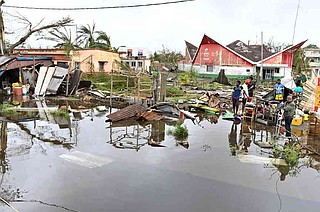
Officials say about 80 percent of the city was damaged, with most buildings either destroyed or severely affected. Electricity has been restored to only about five percent of the city, and running water remains largely unavailable.
Aid workers described the situation as “overwhelming” and “apocalyptic,” especially in rural areas where roads and bridges have been destroyed, making rescue operations difficult. Many areas remain inaccessible due to debris and flooding.
Humanitarian Response Underway
The World Food Programme (WFP) reported that its office and one of its warehouses in Toamasina were completely destroyed. Relief efforts are ongoing, but damaged infrastructure is slowing delivery of aid.
China has pledged 100 million yuan (about $14.5 million) in emergency assistance. France has also dispatched food supplies and rescue teams from the nearby French island of La Réunion after Madagascar’s leader, Colonel Michael Randrianirina, appealed for international solidarity.
Regional Impact
Although initial forecasts suggested the cyclone could heavily strike southern Mozambique, meteorologists later said the storm would instead brush the Mozambican coast. However, heavy rainfall and strong winds are still expected in coastal cities such as Inhambane and the tourist resort of Tofo.
Authorities in Mozambique have urged residents living in fragile housing to move to safer areas as a precaution.
Ongoing Challenges
Madagascar is frequently hit by tropical cyclones, especially during the November–April rainy season. Many communities are vulnerable due to poverty, weak infrastructure, and limited disaster preparedness resources.
As recovery efforts continue, the priority remains:
Restoring electricity and clean water
Reaching isolated communities
Providing shelter and medical care to affected families
With thousands displaced and essential services disrupted, officials warn that the full humanitarian impact of Cyclone Gezani may take weeks to fully assess.