Nigeria has announced that its next presidential election will be held on February 20, 2027, as the country prepares for another major democratic exercise in Africa’s most populous nation.
The announcement was made by the Chairman of the Independent National Electoral Commission (INEC), who described the upcoming polls as a “significant milestone in our democratic journey.”
Election Timetable
According to the electoral body:
Presidential and National Assembly elections will be held on February 20, 2027.
State governorship elections will follow on March 6, 2027.
Nigeria operates a staggered election timetable to allow proper planning and security deployment across its 36 states and the Federal Capital Territory (FCT), Abuja.
Reforms to Improve Transparency
The announcement comes amid growing calls for greater transparency in Nigeria’s elections. Earlier this week, the Senate approved an amendment allowing the live publication of election results, following public pressure and protests.
Over the past decade, INEC has introduced technology such as electronic voter accreditation and digital transmission of results to improve credibility. However, public trust remains low, and election outcomes are often challenged in court.
Experts say confidence in the system could improve if all 176,000 polling units are required to upload results instantly to a central public portal for citizens to verify.
Tinubu and the 2027 Race
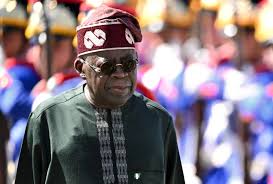
Nigeria’s current president, Bola Tinubu, was elected in February 2023 with about 36 percent of the vote, defeating former Vice President Atiku Abubakar and Labour Party candidate Peter Obi.
Obi has already declared his intention to run again in 2027, setting the stage for a competitive race. It is not yet clear whether Atiku Abubakar will also contest.
Under Nigerian law, a presidential candidate must:
Win the highest number of votes nationwide, and
Secure at least 25 percent of the vote in two-thirds of the 36 states plus the Federal Capital Territory
If no candidate meets this requirement, a runoff election is held between the top two contenders.
Key Issues Ahead of the Vote
As Nigeria heads toward the 2027 elections, major issues expected to shape campaigns include:
Economic challenges and rising cost of living
Youth unemployment
Security concerns in parts of the country
Public debt and governance reforms
With over 200 million people, Nigeria’s elections are closely watched across Africa and globally. The 2027 vote will test the country’s democratic institutions and the effectiveness of recent electoral reforms aimed at strengthening transparency and public trust.