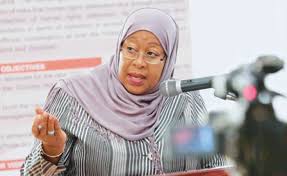
As President Samia Suluhu Hassan marks her first 100 days in office for her new term, Tanzanians are reflecting on what has been achieved so far, the challenges that remain, and what lies ahead for the country.
Her first three months have been marked by renewed energy in governance, economic reforms, and promises to strengthen democracy and national unity. However, observers say the coming months will be crucial in turning early promises into lasting results.
Early Priorities and Quick Actions
In her first days in office, President Samia focused on stabilising the economy and improving public services. She directed ministries to cut unnecessary spending and improve efficiency. The government also moved to speed up key development projects, including roads, energy, water supply, and health facilities.
One major highlight has been continued investment in infrastructure. Large projects such as standard gauge railway expansion, rural electrification, and clean energy development have remained high on the government’s agenda.
The administration has also promoted industrial growth and investment. Tanzania recently unveiled one of Africa’s largest Compressed Natural Gas (CNG) hubs, aimed at reducing fuel costs and promoting clean energy.
Political and Diplomatic Engagement
President Samia has also taken steps to strengthen political dialogue and rebuild trust with opposition parties. Her government has promised to improve electoral processes and ensure greater transparency after concerns raised during previous polls.
On the international stage, Tanzania has worked to maintain stable diplomatic ties, especially after election-related tensions. The President has continued to promote regional cooperation within East Africa and attract foreign investors.
Political analysts say her leadership style remains focused on dialogue, calm decision-making, and regional diplomacy.
Social Services and Welfare
The government has continued to invest in education, healthcare, and social protection. Recently, a new social protection policy was introduced to include informal sector workers in the national safety net. This move is expected to support millions of Tanzanians who previously lacked formal coverage.
Efforts to improve access to clean water, maternal health services, and youth employment programs have also been highlighted during this period.
Challenges Facing the Government
Despite these efforts, several challenges remain. Rising living costs continue to affect many households. Youth unemployment is still a major concern, especially in urban areas.
There are also calls for stronger action against corruption and improved accountability in public institutions. Some citizens and civil society groups are urging the government to move faster on political reforms and media freedoms.
Economic experts warn that global economic pressures, including fuel prices and inflation, could affect Tanzania’s growth if not carefully managed.
The Road Ahead
As President Samia moves beyond her first 100 days, expectations remain high. Many Tanzanians hope to see faster job creation, stronger institutions, and improved living standards.
The coming months will test whether early reforms can be sustained and expanded. For now, her administration has set the tone with a focus on stability, development, and dialogue.
The real measure of success, observers say, will depend on how effectively the government turns plans into visible improvements in people’s daily lives.