In Uganda, living with sickle cell disease is a daily challenge for thousands of people, especially children. The condition, which affects the blood and causes severe pain, often requires lifelong medication and regular medical care.
Sickle cell disease occurs when a person inherits two abnormal copies of the hemoglobin gene. In Uganda, statistics show that about one in ten people carries the sickle cell gene, and in some northern regions, one in five people carries it. Nationally, the gene prevalence stands at 13.3 percent, with around 20,000 new cases each year.
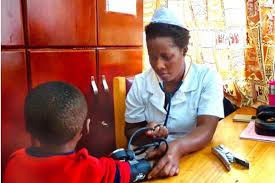
For many, early diagnosis and proper medical care are key to managing the disease. At Mulago Hospital, nurses and doctors conduct regular checkups for patients, while support programs aim to educate families and communities about living with sickle cell.
One woman, Joy Kisakye, shared her personal experience. She was born healthy but began experiencing severe body pain at age six. Through tests and ongoing treatment, she has managed to continue her education and daily life, though challenges remain.
Health experts emphasize the importance of early screening for newborns, proper medication, and support at schools to ensure that children with sickle cell can thrive. Uganda recently launched a mandatory sickle cell screening program at birth, aiming to identify cases early and provide immediate care.
World Sickle Cell Awareness Day, observed annually, highlights these challenges and raises public understanding of the disease, the difficulties faced by patients, and the critical role of families and caregivers.
Living with sickle cell is not only about managing pain—it is about resilience, education, and access to healthcare. Stories like Joy’s remind the nation of the urgent need for awareness, support, and continued medical advancement.