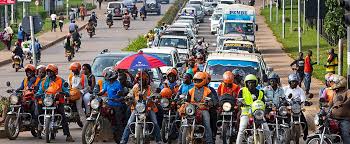
Kampala — Uganda is laying the groundwork for a fair and inclusive transition to cleaner and more modern transport systems, ensuring that economic transformation does not come at the cost of jobs or livelihoods.
According to the Uganda Just Transition Framework (2025), any major shift—such as adopting electric mobility or greener transport infrastructure—must protect workers, expand opportunities, and ensure that vulnerable communities are not left behind. The framework was developed by the National Planning Authority (NPA) with technical and financial support from the African Development Bank (AfDB) and the Climate Investment Funds (CIF).
A recent transport sector study by AfDB, conducted in partnership with Uganda’s Ministry of Works and Transport, demonstrates how the framework could be applied in practice. While the study does not signal an immediate transition, it provides a model for how future transport reforms should be evaluated.
The study examined the potential impacts of introducing cleaner mobility options—such as electric motorcycle taxis and minibuses—on employment, income, gender equality, and community welfare. It highlights the need to assess how such changes could affect drivers, mechanics, informal transport operators, women traders, youth riders, and low-income commuters.
Under the framework, any proposed transport reform would begin with social risk screening, followed by deeper analysis to identify the most vulnerable groups and potential impacts on access to services, land use, and local government revenues.
The framework also emphasizes broad stakeholder engagement, requiring consultations with transport workers, communities, and regional authorities to co-design solutions and mitigation measures that reflect local realities and gender considerations.
Based on these assessments, the government would develop targeted support measures, including skills training, access to credit for small operators, protections for affected communities, and initiatives to expand opportunities for women. These measures would be consolidated into a Just Transition Action Plan, integrated into national planning and budgeting systems to ensure accountability and long-term monitoring.
The AfDB and CIF say the initiative reflects their long-standing partnership with Uganda and their shared commitment to inclusive, climate-aligned development. The collaboration is expected to help Uganda prepare for future transitions in transport and other sectors while promoting equity, sustainability, and economic resilience.