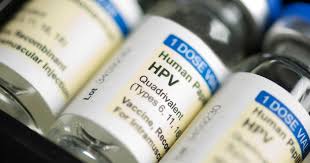
Kenyan health experts have dismissed claims linking the Human Papillomavirus (HPV) vaccine to infertility, saying the fears are based on misinformation and are putting young girls at risk of cervical cancer.
Speaking during a town hall meeting in Nairobi on Thursday, doctors and public health specialists reassured parents that the HPV vaccine is safe, effective, and has no known link to infertility or long-term health complications. The vaccine is currently administered as a single dose to girls aged between 10 and 14 years.
Health professionals expressed concern over the extremely low uptake of the vaccine, particularly in northern Kenya and the coastal region, where vaccination rates are reported to be below one percent. Experts attribute the low numbers to misinformation, religious opposition, and long-standing fears among parents.
At a roundtable meeting organised by the Kenya Paediatric Research Consortium, doctors and healthcare workers defended Kenya’s decision to shift from a two-dose to a single-dose HPV vaccination schedule. They said the move is supported by strong global scientific evidence and recommendations from the World Health Organization (WHO).
Moses Matole, president of the Kenya Clinical Officers Association, urged parents to take advantage of available vaccination services.
“We urge all parents with girls of the eligible age to visit the nearest health facilities and have their daughters vaccinated against cervical cancer,” he said.
Dr. Victor Teti of the Kenya Obstetrics and Gynaecological Society said vaccine hesitancy is largely driven by fear and false information.
“There is a lot of concern about side effects, but from a medical point of view, this vaccine is 98 percent effective when given between the ages of 10 and 14 years,” Dr. Teti explained.
Dr. Nelly Bosire, an obstetrician and gynaecologist, emphasized the importance of prevention and early treatment.
“We continue to advocate for primary prevention through vaccination, secondary prevention through screening, and tertiary prevention through early treatment of those diagnosed,” she said.
Cervical cancer remains one of the leading causes of cancer-related deaths among women in Kenya, claiming about 3,500 lives every year. Health experts say the HPV vaccine offers strong protection against the virus that causes the disease.
Despite this, uptake remains low, with some parents fearing the vaccine could affect their children’s future fertility—claims that experts say have no scientific basis.
Dr. Bosire noted that in some counties, large numbers of vaccines are going unused.
“In Mombasa County, up to 80 percent of the vaccines requested were returned because parents are not bringing their children for vaccination,” she said.
Experts also pointed out that the HPV vaccine has been used globally for more than a decade, with millions of doses administered safely. The World Health Organization endorsed the single-dose schedule after studies showed it provides the same level of protection as the earlier two-dose regimen.
Health officials are now calling for increased public awareness campaigns to counter misinformation and encourage parents to protect their daughters from a preventable and deadly disease.