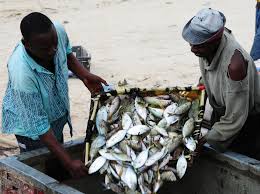
The Tanzanian government has allocated Sh7 billion to support youth-led fish farming projects, as part of efforts to expand aquaculture, create jobs, and improve food security.
The funds will be disbursed through soft loans targeting young entrepreneurs engaged in fish farming and related value-chain activities, according to officials familiar with the programme.
The initiative is being implemented under the Ministry of Livestock and Fisheries, with a focus on empowering youth to participate in commercial aquaculture amid rising demand for fish and declining wild catches.
Boosting youth employment
Government officials said the programme is aimed at addressing youth unemployment by providing affordable financing to young people who often struggle to access credit from commercial banks due to lack of collateral.
Priority will be given to organised youth groups, cooperatives, and individual entrepreneurs who demonstrate viable business plans in fish breeding, pond construction, feed production, and fish processing.
“The fisheries sector has significant potential to absorb young people if supported with capital, skills, and modern technology,” an official said.
Strengthening aquaculture
Tanzania has increasingly turned to aquaculture to supplement capture fisheries, which have come under pressure from overfishing and climate change. The government sees fish farming as a sustainable solution to boost protein supply while protecting natural water bodies.
The loan programme will also support the adoption of improved fish species, modern farming techniques, and better post-harvest handling to reduce losses and increase incomes.
Part of broader strategy
The Sh7bn allocation forms part of Tanzania’s wider strategy to modernise agriculture and fisheries, promote youth entrepreneurship, and stimulate inclusive economic growth.
Officials said monitoring mechanisms would be put in place to ensure funds are used effectively and that beneficiaries receive technical support to improve project success rates.