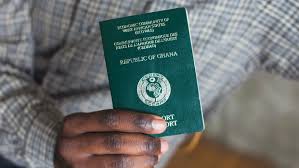
Ghana has announced plans to relax and reform its citizenship application process for people of African descent living abroad, as part of efforts to strengthen Pan-African unity and reconnect with the African diaspora.
The government said the decision follows longstanding complaints from applicants about high costs, strict rules, and complicated procedures that made it difficult for many people to qualify for citizenship.
Why Ghana Is Changing the Process
The citizenship pathway, introduced in 2016, was designed mainly for descendants of Africans taken away during the transatlantic slave trade. Since then, more than 1,000 people from the diaspora have successfully acquired Ghanaian citizenship.
The programme gained global attention during the 2019 “Year of Return” campaign, which invited people of African descent to visit, invest, and resettle in Ghana. Many diaspora members responded by investing in real estate, agriculture, technology, tourism, and small businesses, while seeking full citizenship rights such as voting, owning land, and accessing public services.
However, many applicants complained that the process had become too expensive and stressful.
Challenges Faced by Applicants
Under the old system, applicants were required to:
Pay an initial $136 application fee
Pay $2,280 if shortlisted
Submit DNA evidence within one week
Go through extensive security vetting
Attend a mandatory orientation and presidential ceremony
Many applicants said the DNA submission timeline was unrealistic, while others questioned the accuracy and fairness of the tests. These challenges discouraged potential applicants and delayed relocation and investment plans.
Temporary Suspension to Fix the System
In early February 2026, the Ministry of the Interior, together with the Diaspora Affairs Office of the President, announced a temporary suspension of the programme to allow for reforms.
Officials said the review aims to make the process simpler, more affordable, and more efficient, while maintaining national security standards. Updated guidelines and timelines are expected to be announced soon.
Hope for the Diaspora
Dr. Erieka Bennett of the Diaspora African Forum welcomed the move, saying the reforms could remove major obstacles and revive interest among diaspora communities.
She noted that Ghana remains committed to welcoming the “global African family home”, even as other African countries such as Benin and Sierra Leone introduce similar initiatives.
More Than Citizenship
For many people of African descent abroad, Ghana’s citizenship offer represents more than legal documents. It symbolizes identity, belonging, healing, and opportunity after centuries of separation.
As Ghana prepares to reopen the programme with improved rules, the country is positioning itself once again as a gateway for Africans in the diaspora seeking to reconnect with their roots and build new futures on ancestral land.