Uganda’s long-awaited oil project in the Lake Albert region has reached 63 percent completion, bringing the country closer to producing its first crude oil.
The progress was confirmed during a two-day inspection tour led by Ernest Rubondo, the Executive Director of the Petroleum Authority of Uganda (PAU). The visit focused on the Tilenga Oil Project, which is operated by TotalEnergies in Buliisa District.
According to PAU, the inspection aims to ensure that oil development is moving according to approved plans, safety standards are followed, and environmental protection measures are fully respected.
Drilling Works Near Completion
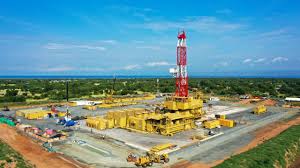
On the first day of the inspection, Rubondo visited several drilling sites, including Jobi Rii well pads 5, 4, and 10, located north of the River Nile. He also assessed restoration works at the Nile crossing, where oil pipelines will pass underneath the river to transport crude oil safely to the Central Processing Facility (CPF).
TotalEnergies informed the regulator that all wells required for first oil have already been drilled. While the project requires 170 wells, a total of 187 wells have been completed, providing a safety buffer as construction continues.
“This marks a major milestone for Uganda’s oil journey,” PAU said, adding that drilling for first oil is now complete.
Next Phase of Inspections
On the second day, Rubondo is expected to inspect key industrial facilities, including the central processing plant, drilling and construction support bases, a workers’ camp housing about 4,000 people, and the water abstraction point used for oil operations.
Economic Impact So Far
Even before oil production begins, Uganda has already earned over $1 billion (about Shs3.8 trillion) from oil-related activities such as taxes, licence fees, and service contracts. These funds are safely kept in the Petroleum Fund, as required by law.
Once oil production starts, government projections show that Uganda could earn around $20 billion over the lifetime of the oil fields. At peak production, annual revenues could reach $2–3 billion, which the government plans to invest in roads, electricity, health care, education, and other public services.
Regional Export Plans
The Tilenga Project, together with the Kingfisher Oil Project, is expected to produce about 230,000 barrels of oil per day. Uganda’s crude oil will be exported through the East African Crude Oil Pipeline (EACOP) to the port of Tanga in Tanzania.
PAU says close supervision of the oil projects is necessary to ensure environmental protection, community safety, and long-term benefits for Ugandans.