Kenya’s proposal to introduce chemical castration as punishment for repeat sex offenders has ignited intense legal, medical, ethical, and financial debate, following the release of a landmark report by the Gender-Based Violence (GBV) and Femicide Task Force.
The proposal comes against the backdrop of a worsening crisis. In 2024 alone, Kenya recorded at least 170 femicide cases—a 79 percent increase from 2023—making it the deadliest year on record for women. Public outrage over rising gender-based violence prompted President William Ruto to form a 42-member task force in January 2025, chaired by former Deputy Chief Justice Nancy Baraza.
The task force’s report, presented in January 2026, analyzed over 930 female murders since 2016 and found GBV and femicide to be systemic, underreported, and driven by structural power imbalances. It recommends sweeping legal reforms, including recognizing femicide as a distinct crime, removing judicial discretion in sentencing for aggravated sexual offences, and declaring GBV a national crisis.
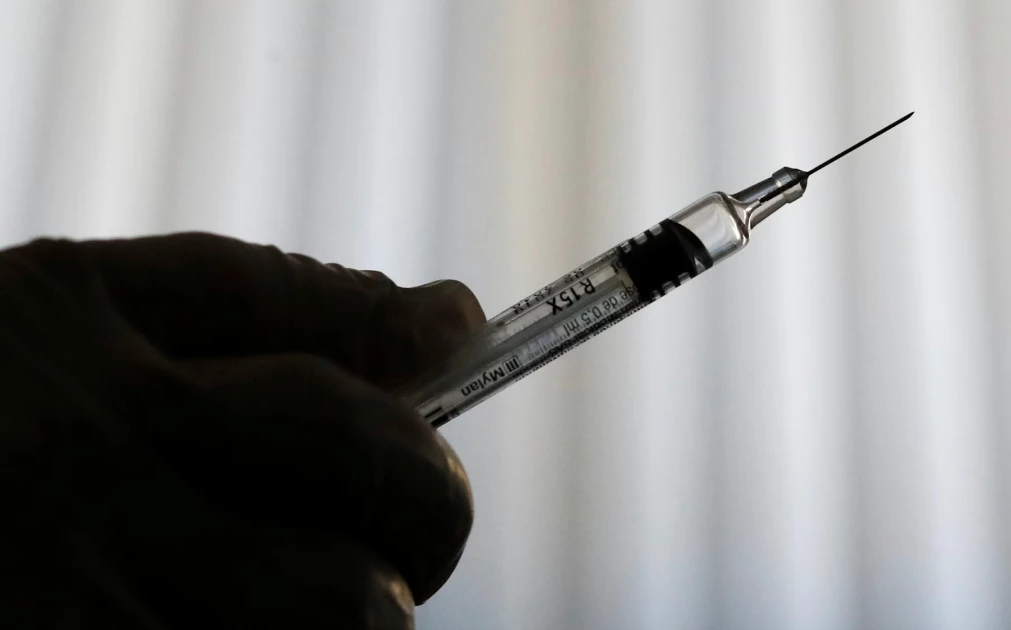
One of the most controversial recommendations is chemical castration for convicted repeat rapists. Medical experts explain that the procedure involves hormone-suppressing drugs that significantly reduce libido but carry serious side effects, including depression, osteoporosis, cardiovascular disease, and long-term psychological harm. While described as “reversible,” experts warn that some effects may be permanent.
Critics argue that chemical castration does not address the root psychological causes of sexual violence and raises serious human rights concerns, especially if convictions are later overturned. Religious and medical voices caution that the treatment repurposes cancer drugs in ways that may violate human dignity.
Cost is another concern. In Kenya, each injection can cost between Sh9,000 and Sh39,000, requiring repeated doses over time—an expense critics say is unrealistic given pressures on public health and the prison system.
While countries such as Pakistan, South Korea, parts of the US, and Ukraine have adopted similar laws, human rights groups continue to label the practice cruel and inhumane.
The report concludes that while tougher punishment may respond to public anger, lasting solutions must go beyond punitive measures to include faster justice, mental health interventions, prevention, and deep societal reforms. Parliament will now decide whether these proposals become law, amid fears that some recommendations may prove ethically unsound and socially divisive.