\
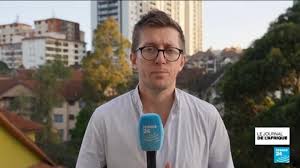
Uganda has expelled three French journalists on January 25, 2026, accusing them of spreading false and misleading information following their coverage of the country’s controversial presidential elections. The journalists, including Bastien Renouil, the East Africa correspondent for France 24, were expelled after their reporting on the aftermath of President Yoweri Museveni’s re-election sparked tensions with the Ugandan government.
The French journalists had arrived in Uganda on January 17, two days after Museveni was declared the winner of the election. Their presence coincided with widespread protests and allegations of voter suppression, which had made international headlines. The journalists had been actively engaging with opposition leaders, analyzing the election results, and interviewing civil society activists who claimed the polls were marred by fraud and irregularities.
However, the Ugandan government swiftly reacted to the coverage, accusing the journalists of “fabricating stories” and spreading “false narratives” that could destabilize the country. The expulsion order was issued after the journalists aired a segment on France 24 alleging that Museveni’s victory was illegitimate, citing voter manipulation and violence against opposition figures. This, according to Ugandan authorities, was not only inaccurate but also inflammatory.
In a statement, the Ugandan Ministry of Information condemned the journalists for what it described as “gross misrepresentation” of the election process. “These journalists did not report facts. Instead, they fabricated stories that have the potential to incite violence and unrest. We cannot allow foreign journalists to undermine the integrity of our national elections,” the Ministry said.
The expelled journalists were detained briefly before being escorted to the airport for their departure. Ugandan authorities have not given further details on the specific nature of the false reporting but have pointed to the France 24 segment as the primary source of the issue.
The expulsion of the journalists has sparked outrage among human rights groups and press freedom advocates. Dr. Livingstone Ssewanyana, a prominent Ugandan human rights defender, strongly criticized the move, calling it an assault on press freedom. “This is an alarming trend in Uganda’s treatment of the media, especially foreign correspondents. The government should be fostering transparency, not silencing those who hold it accountable,” Ssewanyana said.
International responses have also poured in, with Reporters Without Borders (RSF) denouncing the expulsion as part of a “systematic crackdown” on media freedom in Uganda. RSF called for Uganda to uphold international press freedom standards and allow journalists to report without fear of retaliation.
The Ugandan government, however, has defended its actions, asserting that it is within its rights to protect the nation’s sovereignty and ensure that foreign media outlets do not interfere in its internal affairs. Information Minister Frank Tumwebaze reiterated that Uganda has a responsibility to protect the image of its electoral process from “unfounded foreign interference.”
Despite the government’s stance, this incident raises concerns about the growing repression of journalistic independence in Uganda, especially as the country faces increasing pressure from international observers over its electoral integrity and human rights record.
As the situation unfolds, the expulsion of the three French journalists highlights the delicate balance between free press and government control, with critics fearing that Uganda may be taking steps towards more stringent censorship in the lead-up to future elections.