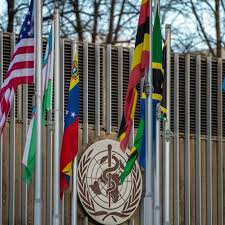
The World Health Organization (WHO) has expressed deep regret over the United States’ decision to withdraw from several vital global health programs. The move, which has sparked international concern, threatens to exacerbate global health risks, particularly in regions already grappling with crises such as pandemics, malnutrition, and inadequate healthcare infrastructure.
In a statement released on January 25, 2026, WHO officials warned that the U.S. pullback would lead to a significant disruption in critical health initiatives that have been fundamental in combating diseases like malaria, HIV/AIDS, and tuberculosis, among others. These programs, often funded or supported by the U.S., have been instrumental in improving public health outcomes across the world, particularly in developing countries.
The WHO’s warning comes as global health leaders are already facing an uphill battle in addressing the long-term consequences of the COVID-19 pandemic. Many countries, especially those in sub-Saharan Africa and Southeast Asia, rely on external assistance to address their most pressing health challenges. The U.S., historically a major contributor to these efforts, has been pivotal in financing and coordinating various health initiatives worldwide.
“Without the U.S.’s support, many of the ongoing programs could face significant delays, or worse, be entirely derailed,” said Dr. Tedros Adhanom Ghebreyesus, WHO’s Director-General. “This decision could reverse years of progress made in areas such as maternal and child health, immunization programs, and the fight against neglected tropical diseases.”
The U.S. government’s decision to withdraw from these programs stems from a broader political shift towards reducing foreign aid spending. While domestic health priorities are now being emphasized, critics argue that this narrow focus could have long-term consequences on global health security.
While the U.S. government has justified its decision as a way to redirect funds towards domestic initiatives, the international community remains concerned that the absence of U.S. support could leave a vacuum in efforts to combat global health threats. Many health experts fear that this withdrawal will not only jeopardize public health in low- and middle-income countries but could also hinder global efforts to prevent future pandemics, which could affect countries everywhere, including the U.S.
The WHO has urged the U.S. government to reconsider its decision and reinvest in international health programs, emphasizing that global health security is inextricably linked to national security. In an interconnected world, the health of one nation impacts the well-being of all.
As global health challenges continue to evolve, the international community remains hopeful that countries, including the U.S., will recognize the shared responsibility to safeguard public health worldwide. The next few months will be crucial in determining how the withdrawal will affect ongoing and future health initiatives and whether alternative sources of funding and support can be found to fill the void left by the U.S. decision.