Guinea-Bissau has announced that it will hold its next national elections in December 2026, following months of political uncertainty after a recent coup attempt that shook the West African nation.
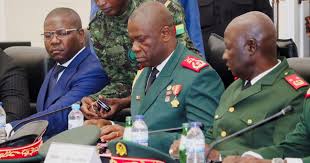
The announcement was made by the country’s transitional authorities during a press briefing in the capital, Bissau, attended by Prime Minister Ilidio Vieira Té, transitional President Major-General Horta Inta-a, and Armed Forces Chief of Staff Major-General Tomás Djassi.
The move is seen as a key step toward restoring constitutional order and stabilising the country, which has a long history of military interference in politics. Guinea-Bissau has experienced several coups and attempted coups since gaining independence from Portugal in 1974.
The coup attempt in late 2025 drew strong criticism from the Economic Community of West African States (ECOWAS). The regional bloc urged the military and political leaders to respect democratic principles, restore civilian rule, and commit to a clear election timetable. ECOWAS has also warned that continued instability could lead to sanctions and international isolation.
According to government officials, the December 2026 election date is intended to allow enough time to carry out electoral reforms, update voter registers, strengthen institutions, and ensure a peaceful and credible vote. Authorities said they are committed to working with regional and international partners to guarantee transparency and security during the electoral process.
Guinea-Bissau remains one of the most politically fragile countries in West Africa, with frequent power struggles and economic challenges affecting development. Analysts say the success of the planned elections will depend on sustained dialogue, military neutrality, and continued pressure from regional bodies.
For now, the election announcement has been cautiously welcomed as a positive signal that the country is taking steps to return to democratic governance after yet another period of turmoil.