On January 18, 2026, Uganda partially restored internet access following the re-election of President Yoweri Museveni. The country had previously imposed a partial shutdown of internet services during the election period, a move that sparked widespread controversy and drew criticism from human rights groups both locally and internationally.
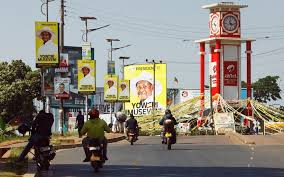
The internet blackout had been implemented in the days leading up to and following Uganda’s general elections, which saw Museveni, leader of the ruling National Resistance Movement (NRM), secure a victory for his sixth consecutive term in office. Critics argued that the internet shutdown was a tool used to suppress dissent, hinder communication, and stifle free speech, especially in the wake of rising political tensions.
Election Day and the Internet Shutdown
As the country headed to the polls on January 16, 2026, internet access was restricted in an apparent effort to curb the spread of information, including election results and post-election commentary. Social media platforms, messaging apps, and news websites were blocked or heavily throttled, leaving many Ugandans unable to follow election coverage or communicate with the outside world.
The government defended the measure, claiming it was necessary to maintain peace and order during a politically sensitive time. However, the shutdown raised serious concerns about the erosion of democratic rights and access to information, with critics accusing the government of using the internet as a tool for political control.
Partial Restoration of Services
Following Museveni’s re-election victory, the government began to partially restore internet access across the country, although several restrictions remain in place. While citizens can now access general websites and social media platforms, certain political content and discussion forums remain blocked or heavily monitored.
Human rights organizations have expressed concern over the ongoing restrictions and the government’s use of the internet as a means of suppressing opposition. According to local activists, these measures represent a dangerous precedent for the future of free speech in Uganda, particularly in the context of upcoming local elections.
Global Reactions and Criticism
The international community has also voiced its concerns over Uganda’s handling of the election and the internet shutdown. Several Western governments, including the United States and the European Union, condemned the internet blackout, calling it a violation of fundamental rights. Human rights groups, such as Amnesty International and Human Rights Watch, have called on Uganda’s government to respect the rights of its citizens, particularly their right to access information and engage in political discourse freely.
Despite the partial restoration of internet services, many Ugandans remain wary of further government attempts to control digital spaces and limit political debate. In particular, opposition parties and civil society groups continue to call for greater political freedoms and the end of restrictions on free speech.
Looking Ahead
As President Museveni embarks on his sixth term, questions surrounding political freedom, media censorship, and the future of digital rights in Uganda remain unanswered. While some view his re-election as a consolidation of power, others see it as a significant setback for democracy in the country.
With the internet partially restored, Uganda’s political landscape remains fraught with tension, and many are watching closely to see whether the government will continue its restrictive policies or allow for more open dialogue as the nation moves forward.