When Stadiums Inadvertently Shut Out People with Disabilities
In Tanzania, access to sports stadiums has remained a significant challenge for many individuals with disabilities, as the country’s sports infrastructure continues to be inadequate in addressing their specific needs. Despite the country’s growing enthusiasm for sports and entertainment, people with disabilities are still often excluded from enjoying these events due to barriers that are both physical and structural.
A Bird’s Eye View of the Problem
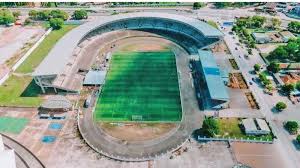
A recent aerial view of Dar es Salaam’s Uhuru Stadium highlights the stark reality faced by those with disabilities. The stadium, a central hub for national sporting events, stands as a symbol of the exclusion that continues to plague Tanzania’s public venues. For persons with disabilities, this isn’t just a problem of inconvenience—it’s a matter of being systematically shut out from fully participating in the cultural and social experiences that sports provide.
The infrastructural inadequacies of stadiums such as Uhuru are evident in the lack of accessible entrances, restrooms, and seating arrangements. Though the issue of accessibility for persons with disabilities has received attention in various forms, there seems to be little substantial change in the physical spaces that should be welcoming to everyone.
The Challenges of Inaccessible Stadiums
Tanzania’s sports venues were largely built before the country’s awareness of the need for inclusive design took hold. As a result, stadiums were never constructed with people with disabilities in mind. As sports have gained prominence, particularly in urban areas, there has been minimal investment in retrofitting existing structures to accommodate a more diverse fanbase.
A growing number of disabled individuals in Tanzania have spoken out about the challenges they face in attending major sporting events. In particular, stadiums without ramps, wide enough gates, or elevators make it nearly impossible for individuals who use wheelchairs or have limited mobility to access the event spaces. Additionally, the lack of appropriate signage and accessible seating further reinforces the feeling of exclusion for many.
Efforts to Address the Issue
While several organizations have advocated for the rights of persons with disabilities in Tanzania, tangible improvements have been slow. The Ministry of Sports and other related governmental bodies have recently acknowledged the need for better infrastructure, but there has been no comprehensive plan to tackle the issue head-on.
In an effort to address these concerns, sports associations and disability advocacy groups have begun to collaborate on awareness campaigns and lobbying for better designs in new stadium projects. This has led to some local sports venues introducing accessible seating and improved entrances, but these changes are still the exception rather than the rule.
Why Inclusive Design Matters
Inclusive design isn’t just about building ramps or adding a few accessible features—it’s about fostering an environment where every individual, regardless of their physical abilities, is treated with dignity and given equal opportunities to enjoy and participate in public events. This inclusivity benefits everyone: it makes venues more inviting for disabled individuals, enhances community engagement, and promotes a sense of social cohesion.
Inclusion in sports and entertainment is a matter of human rights. When stadiums are built or renovated with accessibility in mind, it sends a clear message that everyone is welcome, ensuring that sports remain an activity for all to enjoy, regardless of physical ability.
Looking Toward the Future
As Tanzania moves toward modernization and further development of its sports infrastructure, it is crucial that authorities prioritize the needs of persons with disabilities. The International Paralympic Committee, along with local organizations, has been advocating for better accessibility standards, which, if adopted, could drastically improve the experience for disabled individuals in the country.
Efforts in this direction would not only demonstrate a commitment to equality and inclusivity but could also set a precedent for other nations in the region. The next step for Tanzania will be to create a comprehensive, nationwide approach to accessible stadium design—ensuring that no one is inadvertently shut out from the joy of the game.