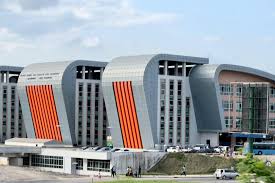
The Magufuli Bus Terminal in Dar es Salaam has become the centre of a persistent standoff between the government and many intercity bus operators, who increasingly avoid using the facility despite repeated directives to do so. The tussle has highlighted broader problems in public transport planning and regulation in Tanzania’s largest city.
The Citizen
Located in the Mbezi Louis area of Ubungo District, the Magufuli Terminal was built to serve upcountry and cross-border buses, centralising operations and enabling the Ubungo Municipal Council to collect revenue and regulate transport services. Yet despite official orders, many bus companies continue to operate from private terminals or roadside pickup points closer to where passengers live and work.
Wikipedia
+1
Why Buses Are Avoiding the Terminal
Transport stakeholders say several factors explain the reluctance to use Magufuli Terminal:
Location and Cost Burden: The terminal is situated far from key residential and commercial areas, making it costly and inconvenient for passengers to reach. In some cases, the cost of reaching the terminal can rival the fare for the bus journey itself, reducing demand.
The Citizen
Poor Environment and Design: Operators and passengers have criticised the terminal’s environment, including congestion, unsanitary conditions and a layout that hides ticket offices behind shops and bars, which leads to confusion and exploitation by touts.
The Citizen
Competition from Private Terminals: Many bus companies have established their own stops or stations in high-traffic areas within the city. These private facilities often offer better amenities, closer proximity to passengers, and more direct access to routes, drawing traffic away from the public terminal.
The Citizen
Commercial Rivalry and Regulatory Gaps: The coexistence of the municipal directive requiring all buses to enter Magufuli Terminal and decisions by the Land Transport Regulatory Authority (Latra) to licence private terminals has created mixed incentives. Bus companies argue that unless all operators are required to use the main terminal, going there puts them at a commercial disadvantage.
The Citizen
Enforcement Challenges and Political Interests
Attempts to enforce use of the Magufuli Terminal have faltered. Earlier directives have not been fully implemented, and some stakeholders contend that political and commercial clout among bus owners makes strict enforcement difficult without clear leadership from the top levels of government.
The Citizen
The Deputy Minister of State in the Prime Minister’s Office (Regional Administration and Local Government), Reuben Kwagilwa, convened a 90-day committee in late December 2025 to assess the terminal’s performance and reasons for the avoidance. Yet some in the transport industry criticised the move as unnecessary, claiming the issues are well known and require action rather than further study.
The Citizen
Underlying Systemic Issues
Observers note that the difficulties at Magufuli Terminal reflect deeper problems in Dar es Salaam’s transport infrastructure planning. A Controller and Auditor General (CAG) report earlier noted that the terminal was built without being fully integrated into the original road expansion and urban planning strategy, potentially exacerbating congestion rather than alleviating it.
The Citizen
Research also suggests that dissatisfaction with terminal services—such as limited connectivity with other modes of transport, inadequate access for private vehicles, and lack of integration with commuter buses—has contributed to the growth of private bus stations and alternative boarding points.
Science Publishing Group
What’s Next?
The standoff underscores the need for a more coordinated transport policy that aligns infrastructure development with commuter needs, integrates public and private operators, and strengthens enforcement of regulations. Without such reforms, the gap between policy intentions and on-the-ground practice is likely to persist, with passengers continuing to choose convenience over compliance.