Efforts to keep Kampala clean are improving slowly, but the city is still facing a serious waste management challenge. As the population grows and economic activity increases, the amount of garbage produced every day continues to rise.
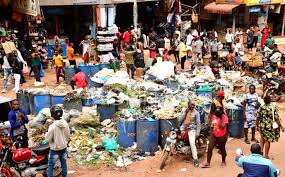
According to city officials, Kampala generates thousands of tonnes of waste daily. However, more than 1,300 tonnes of garbage are still not collected each day. This means large amounts of waste remain on streets, in drainage channels, and in residential areas, posing health and environmental risks.
Recycling has been promoted as one possible solution. City authorities and private waste collectors say recycling can reduce the amount of waste taken to landfills, create jobs, and protect the environment. Materials such as plastics, paper, metal, and glass can be reused instead of being dumped.
Despite these efforts, challenges remain. There is limited separation of waste at household level, meaning recyclable materials are often mixed with organic waste. Private collectors and the city authority also disagree on responsibilities, funding, and efficiency, which affects service delivery.
Many residents are also not fully aware of the importance of sorting waste or lack access to proper recycling services. Informal waste pickers play a big role in recycling, but they often work in unsafe conditions without support.
Experts say that for recycling to truly save Kampala, the city needs stronger policies, better cooperation between authorities and private companies, more public awareness, and investment in recycling infrastructure.
While recycling alone may not solve all of Kampala’s garbage problems, it remains a key part of the solution if supported by better planning, funding, and community involvement.