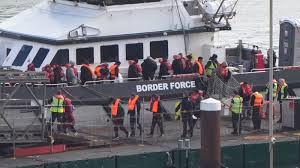
Angola and Namibia have agreed to take back their citizens living illegally in the United Kingdom, marking a significant development in international cooperation on migration as Britain moves to tighten its visa and asylum rules.
The agreement follows high-level diplomatic engagements between UK officials and several African governments, amid growing political pressure in London to reduce irregular migration and strengthen border controls. British Home Secretary Shabana Mahmood has been leading efforts to secure bilateral arrangements that allow for the swift return of individuals who have exhausted legal avenues to remain in the UK.
Under the new understanding, Angolan and Namibian authorities will work with British immigration officials to verify the identities of undocumented nationals and facilitate their repatriation. The process is expected to include the issuance of emergency travel documents and coordinated return flights, with assurances that deportees will be received in line with international human rights standards.
UK officials say the move is part of a broader strategy to deter illegal migration while encouraging legal and skills-based pathways. “Countries that cooperate on returns will find the UK willing to deepen partnerships in trade, education and development,” a senior Home Office official said, underscoring the diplomatic incentives tied to the agreements.
For Angola and Namibia, the decision reflects a balancing act between protecting their citizens abroad and maintaining strong relations with the UK. Both governments have publicly emphasised that returnees will be supported through reintegration programmes, including access to social services and employment assistance, to reduce the risk of re-migration.
Migration experts note that while the number of undocumented Angolan and Namibian nationals in the UK is relatively small compared to other groups, the agreements carry symbolic weight. They signal Britain’s intent to expand return deals beyond traditional partners and demonstrate that African governments are increasingly willing to engage on sensitive migration issues.
The development comes as the UK rolls out stricter visa requirements for several countries, citing concerns over overstaying and abuse of asylum systems. Critics, however, warn that tougher rules could push more migrants into irregular routes unless accompanied by expanded legal migration options and fair asylum processing.
As debates over migration intensify across Europe, the agreements with Angola and Namibia highlight a growing trend: migration control is no longer just a domestic issue, but a complex web of international diplomacy, development priorities and human rights considerations.