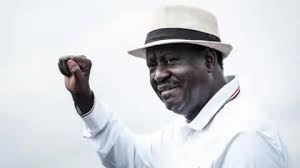
The death of former Prime Minister Raila Odinga has shocked Kenya and deeply affected his supporters across the country. His passing marked the end of a major chapter in Kenya’s political history and left many Kenyans uncertain about the future.
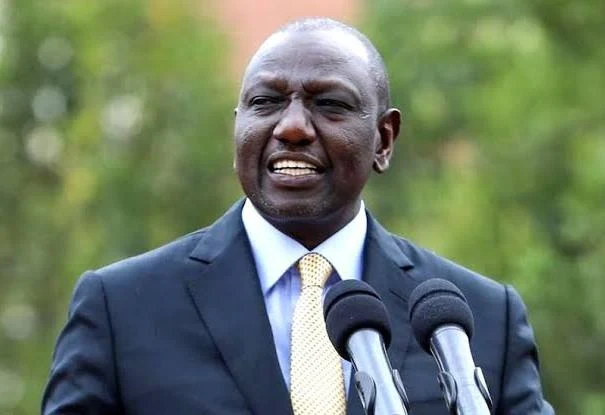
Raila Odinga died in October at the age of 80 while receiving medical treatment in India. Reports said he suffered a cardiac arrest during a morning walk. News of his death spread quickly and plunged the country into grief and disbelief. President William Ruto announced a week-long period of national mourning.
Raila served as Kenya’s Prime Minister from 2008 to 2013 and was the country’s long-standing opposition leader through the Orange Democratic Movement (ODM). He was a powerful and polarising figure, loved passionately by his supporters and strongly opposed by his critics. Many Kenyans described politics as divided between “Railamania” and “Railaphobia.”
Born in Maseno, Kisumu District, Raila was the son of Jaramogi Oginga Odinga, Kenya’s first vice president and a key independence leader. Raila studied in East Germany before returning to Kenya, where he taught mechanical engineering at the University of Nairobi.
Raila ran for president five times—in 1997, 2007, 2013, 2017 and 2022—but lost each time, often disputing the results. The most notable election was in 2007, when violence erupted after the presidential results were announced, marking the deadliest political crisis in Kenya’s history.
Despite his losses, Raila remained a central figure in Kenyan politics for decades. Analysts say he played a role in calming the political environment over time and shaping Kenya’s democratic journey. He later documented his life in a 1,040-page autobiography titled Flames of Freedom.
Raila is survived by his wife and three children—Rosemary, Raila and Winnie. His son Fidel died earlier. His body was returned to Kenya, where he was honoured with military ceremonies and public tributes at several venues.
Political analysts say his death has left a major leadership gap within ODM and Kenya’s opposition. Although his brother Oburu Oginga has taken over leadership roles, observers believe Raila’s political skill, charisma and ability to control mass protests will be difficult to replace.
Raila’s passing also changes the political landscape for President Ruto, who had been engaging him in dialogue to ease political tensions. With Raila gone, analysts warn that new political movements, including vocal Gen-Z activists, may rise and push for radical change.
For many Kenyans, Raila Odinga’s death marks the end of an era. His life symbolised the struggle for democracy and reform, and his absence leaves the country facing an uncertain political future.