The World Health Organization (WHO) has called on African countries to reduce their heavy reliance on foreign health aid and instead invest more in their own healthcare systems to ensure long-term sustainability.
Speaking in Dar es Salaam on December 23, 2025, WHO Africa Regional Director Dr. Mohamed Janabi said that while international support has played an important role in improving health outcomes across the continent, overdependence on aid leaves countries vulnerable when funding declines or priorities change.
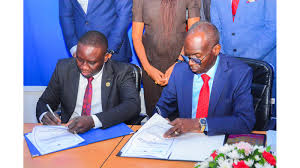
Dr. Janabi made the remarks during the signing of a memorandum of understanding (MoU) between WHO and the East, Central and Southern Africa Health Community (ECSA-HC). The agreement, signed alongside ECSA-HC Director General Dr. Ntuli Kapologwe, aims to strengthen cooperation and improve support for African countries as they build strong, fair, and people-centred health systems.
He emphasized that African governments must increase domestic funding for health, improve efficiency in spending, and strengthen local health institutions. According to WHO, strong national health systems are essential for responding to disease outbreaks, improving access to care, and achieving universal health coverage.
“External funding is helpful, but it should complement—not replace—local investment,” Dr. Janabi said. “African countries must take greater ownership of their health systems to protect their populations and secure their future.”
The agreement between WHO and ECSA-HC focuses on improving health policy coordination, sharing research and data, strengthening health workforce capacity, and supporting reforms that promote equity and resilience in healthcare delivery.
Health experts say the call comes at a critical time, as many African countries face rising health costs, population growth, and reduced donor funding due to global economic pressures.
The WHO stressed that reducing aid dependence does not mean rejecting partnerships, but rather building stronger systems that can stand on their own while using international support more strategically.
The move is expected to encourage governments across Africa to prioritize healthcare financing, strengthen accountability, and accelerate progress toward universal health coverage.