The United States has signed a new five-year health aid agreement with Nigeria aimed at strengthening the country’s health system and improving care for millions of people, especially vulnerable communities.
Under the deal, Washington will provide nearly $2.1 billion to support the prevention and treatment of major diseases such as HIV, tuberculosis, malaria, and polio, as well as to improve maternal and child health, according to the US State Department. In return, Nigeria has pledged to increase its own health spending by almost $3 billion over the same period.
US officials said the agreement places strong emphasis on supporting faith-based health facilities, particularly those run by Christian organizations, which play a key role in providing healthcare services in many parts of Nigeria, especially in rural and conflict-affected areas.
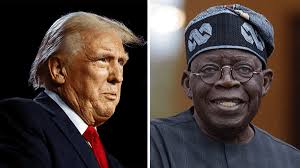
The deal comes amid renewed engagement between Washington and Abuja after US President Donald Trump raised concerns about violence against Christians in Nigeria. Last month, Trump warned that Christians face serious threats in Nigeria and other countries, statements that drew international attention and debate.
The US has recently placed Nigeria back on its list of countries of “particular concern” over religious freedom and introduced visa restrictions for some Nigerians. However, American officials said the new health agreement reflects reforms by the Nigerian government aimed at improving security and protecting religious communities.
Nigeria, Africa’s most populous country, is almost evenly divided between a mainly Christian south and a largely Muslim north. The government has repeatedly stated that it does not support or tolerate religious persecution. The country has also been fighting a jihadist insurgency since 2009, a conflict that has killed more than 40,000 people—both Christians and Muslims—and displaced around two million, according to the United Nations.
The Nigeria deal follows a similar $2.5 billion health aid agreement signed earlier this month between the US and Kenya. These agreements mark a new approach to US foreign aid after President Trump shut down the US Agency for International Development (USAID) and ordered a major review of American aid programs under his “America First” policy.
Despite the changes in US aid strategy, officials say the Nigeria agreement shows Washington’s continued interest in supporting public health, stability, and cooperation in Africa.